
Stories
Browse our reporting and explanations of payments, crypto, workplace AI and digital security.
Is Crypto Legal in India? What Courts, FIU Rules and Parliament Say
No ban, no regulator: what the Supreme Court, PMLA rules and Parliament say about crypto's legal status in India.
SEBI's AI/ML Guidelines: What Is Binding Now and What Is Still Draft
Regulation 16C already makes SEBI-regulated firms answer for their AI tools; the 2025 draft adds governance rules.
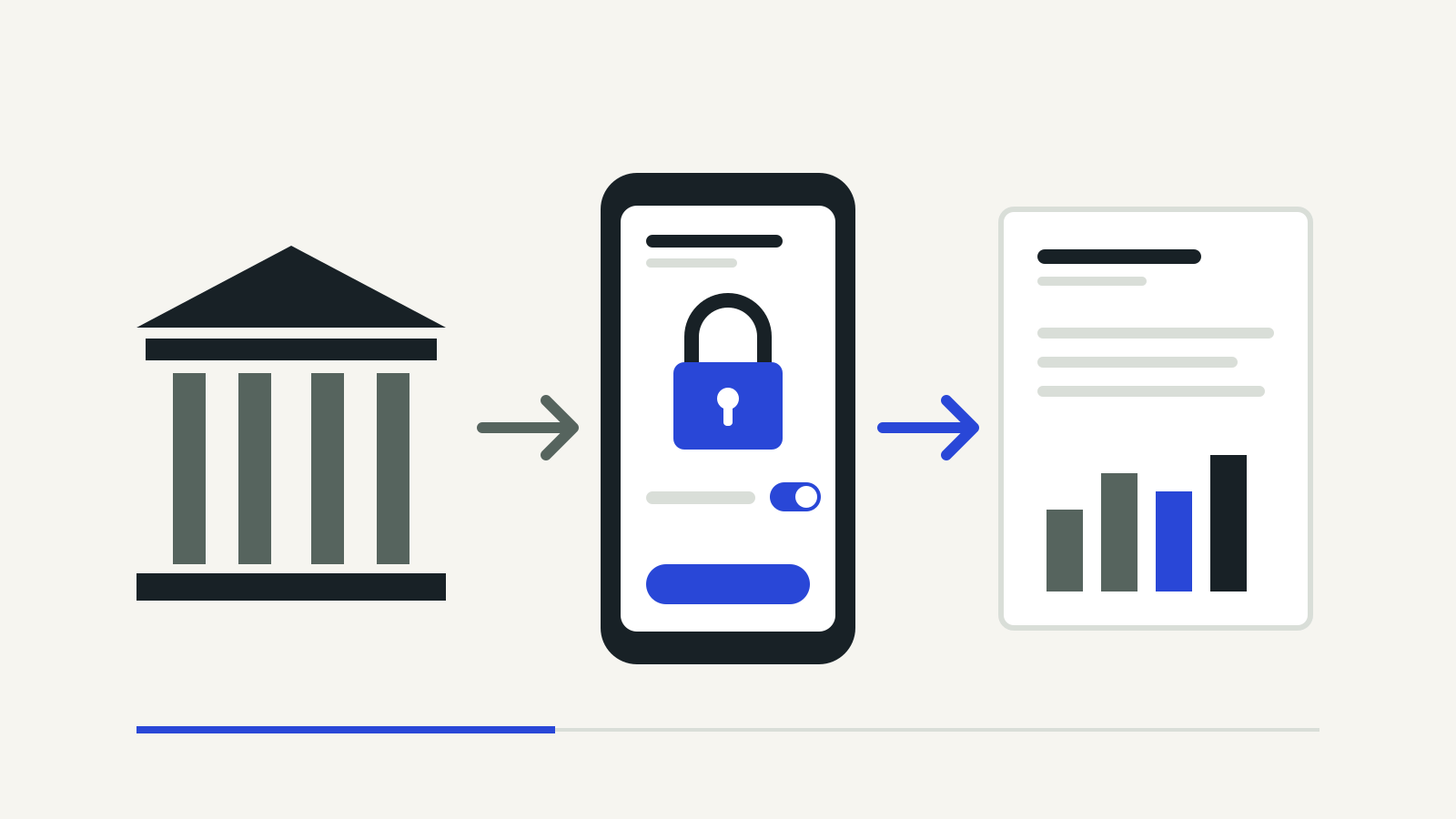
Account Aggregator in India: How It Works, Safety and Consent
Account aggregators pass your financial data only with consent and cannot move money. How they work.
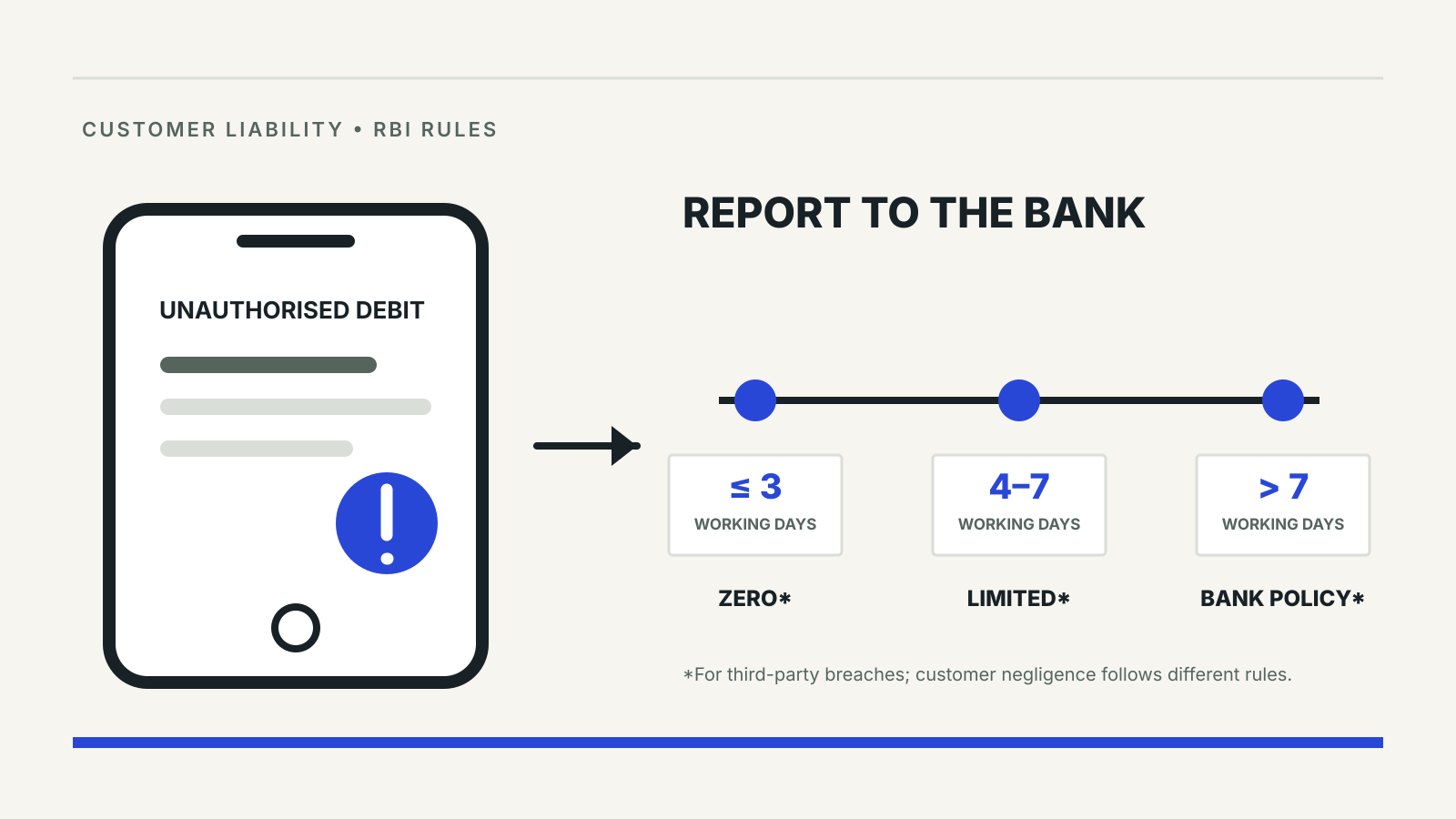
Unauthorised Electronic Banking Transaction Liability
RBI rules tie customer liability to the cause of the debit and how quickly it is reported.
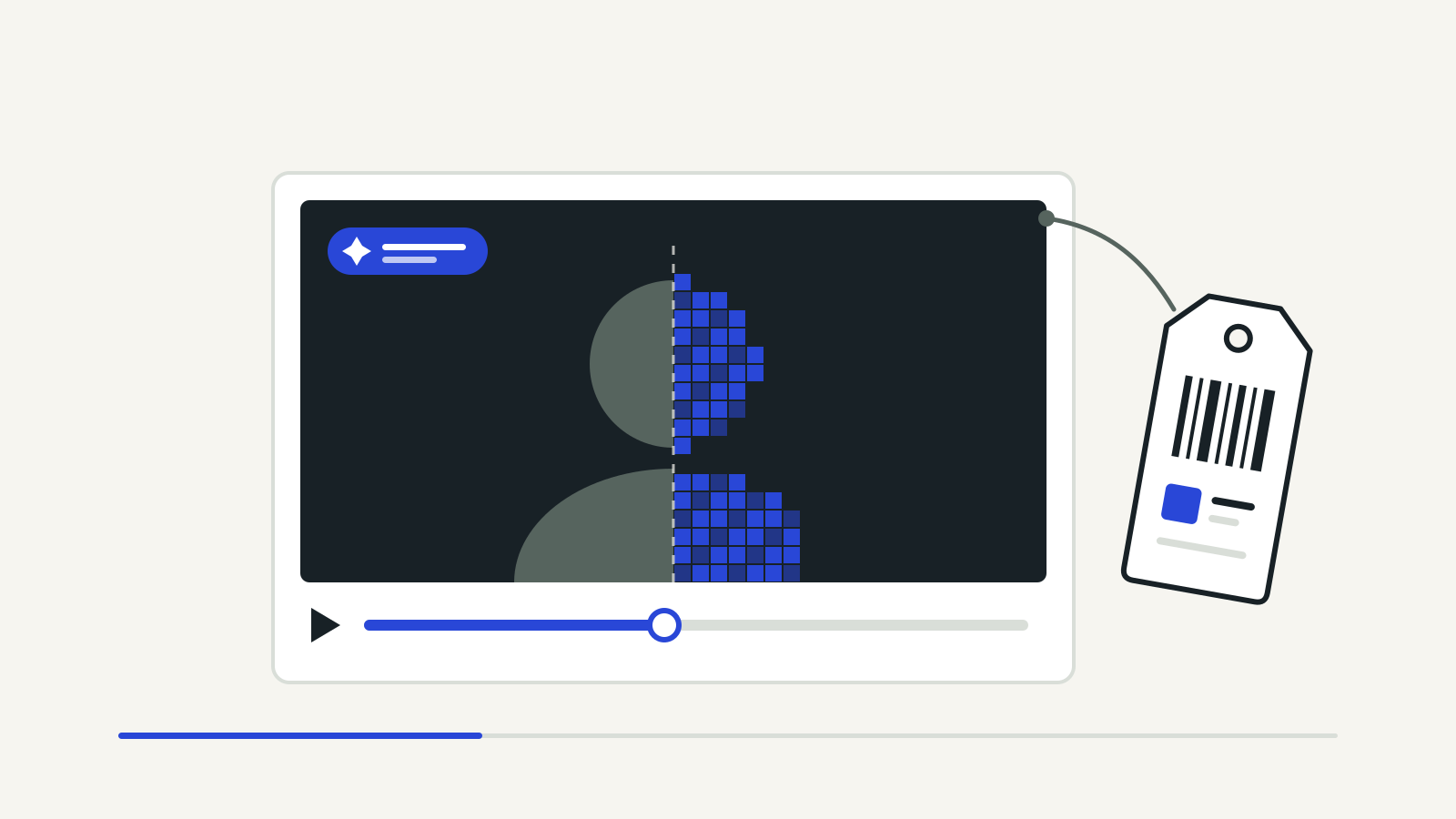
Deepfake Labelling Under India's IT Rules: What Platforms Must Do
Labels, metadata, blocked categories and two-hour takedowns: what the 2026 IT Rules amendment asks of platforms.
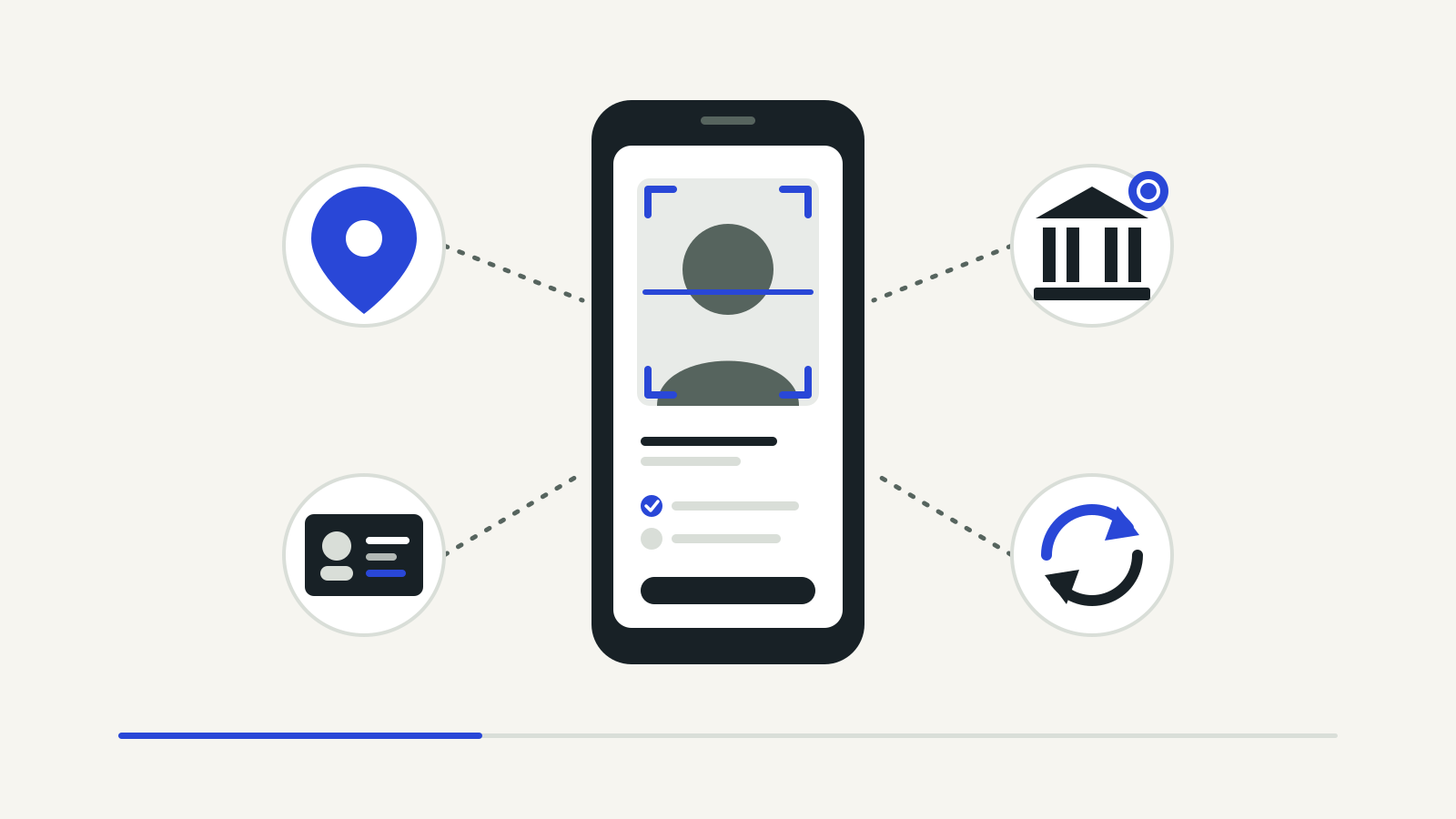
Crypto KYC in India: What Exchanges Must Ask You For
Liveness selfie, location, penny drop and re-KYC: what FIU-IND's 2026 guidelines ask exchanges to check.
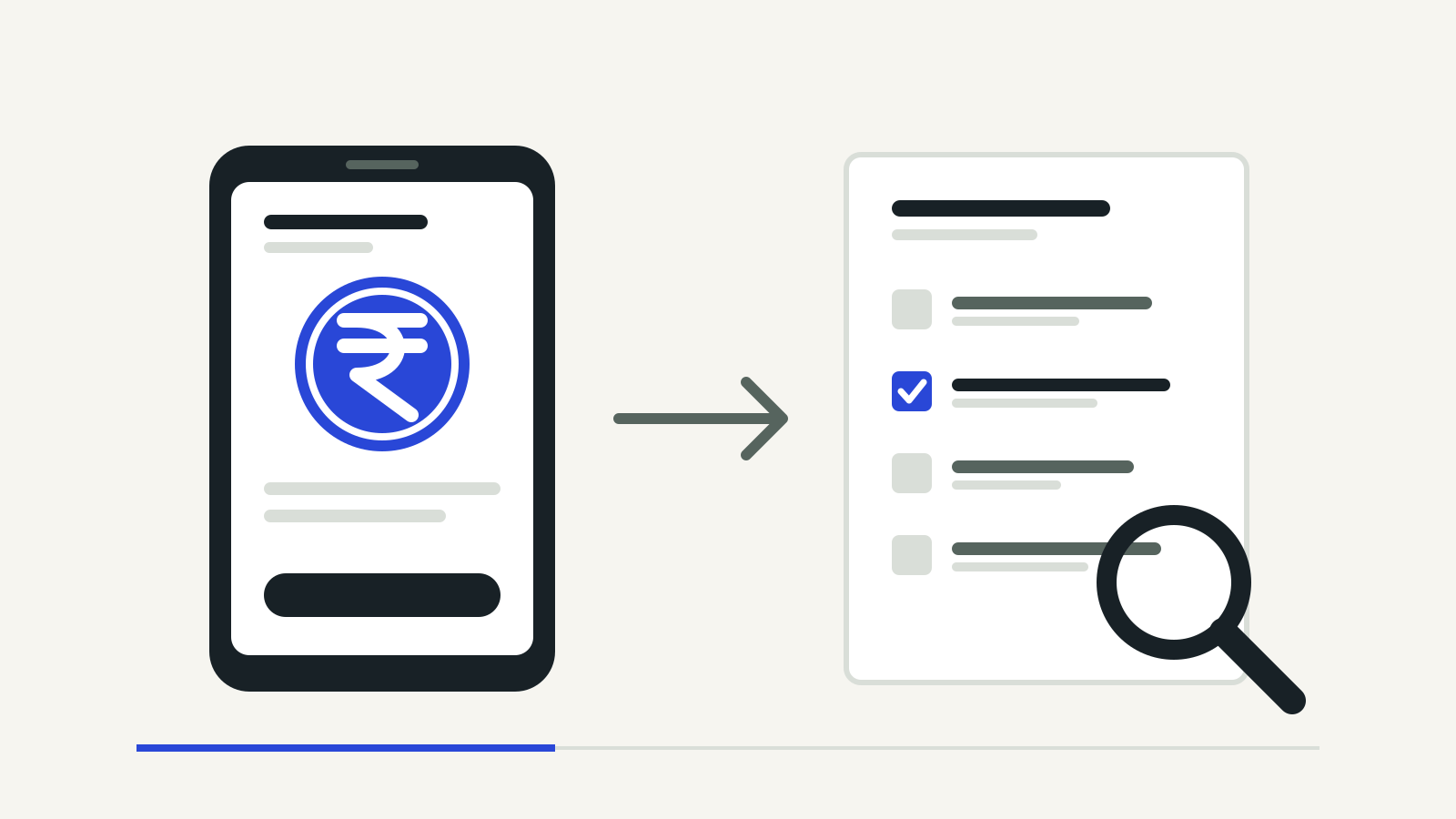
RBI-Approved Loan Apps: How to Check a Lending App in India
The RBI lists the loan apps that regulated lenders report. How to check an app and what the rules say.
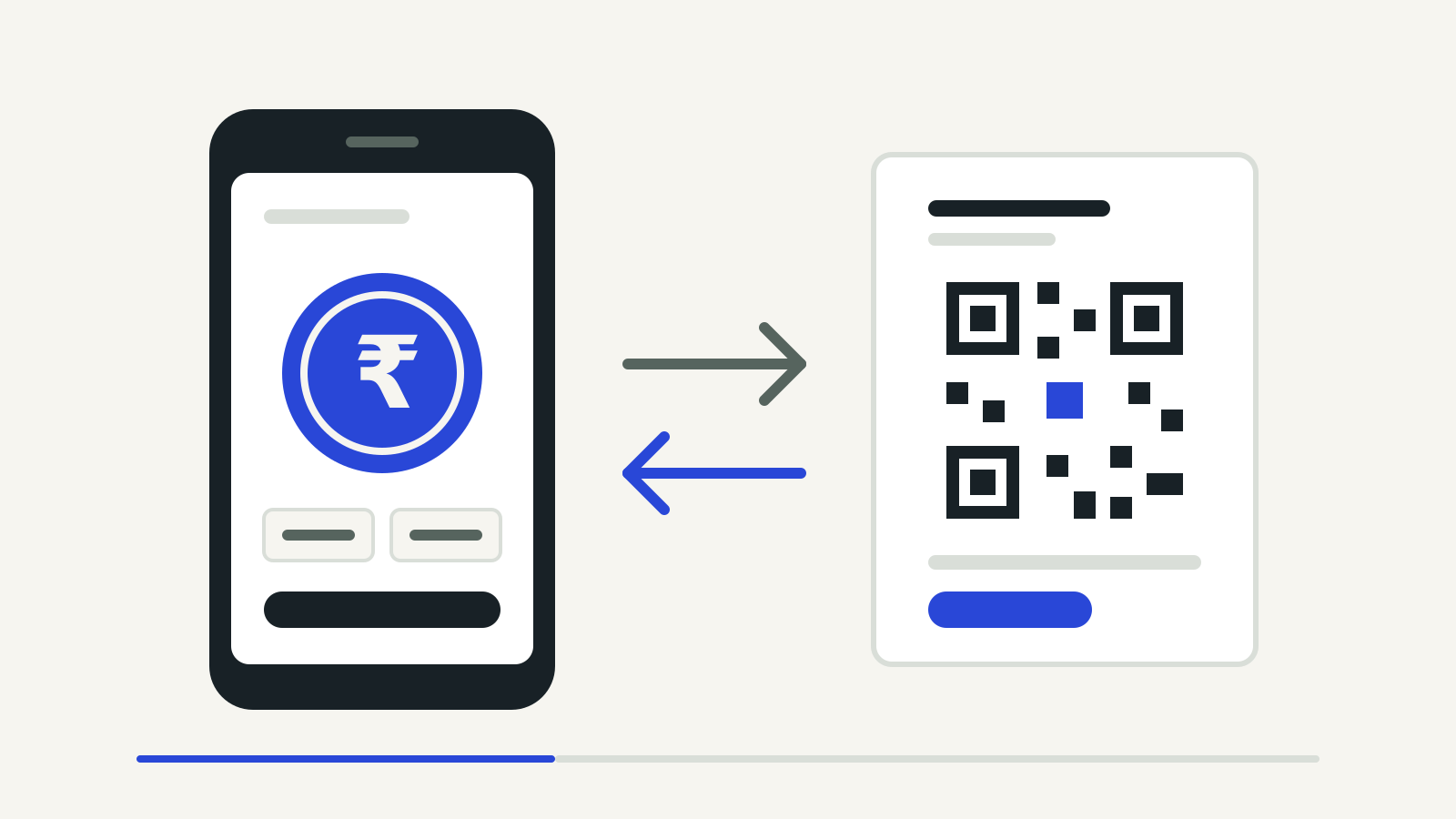
Digital Rupee (e₹): How Retail CBDC Wallets Work in India
How the RBI's e₹ wallet works, how it differs from UPI, which banks offer it and what programmable e₹ means.
IndiaAI Mission: GPU Access, AIKosh Datasets and Who Can Apply
Who can use IndiaAI's subsidised GPUs, what AIKosh holds, and what the ministry says it has delivered so far.
Schedule VDA in ITR: where crypto transactions are reported
Schedule VDA reports virtual digital asset transactions in India's ITR forms, transaction by transaction.

Cyber fraud complaint: call 1930 and report online
For financial cyber fraud in India, call 1930 quickly and complete the acknowledgement on cybercrime.gov.in.

FIU-Registered Crypto Exchanges in India: How to Check
How to verify an FIU-IND registration claim and understand what it does—and does not—mean.
RuPay Credit Cards on UPI: Where You Can Pay
Linking a RuPay card adds a credit payment option at eligible merchants.
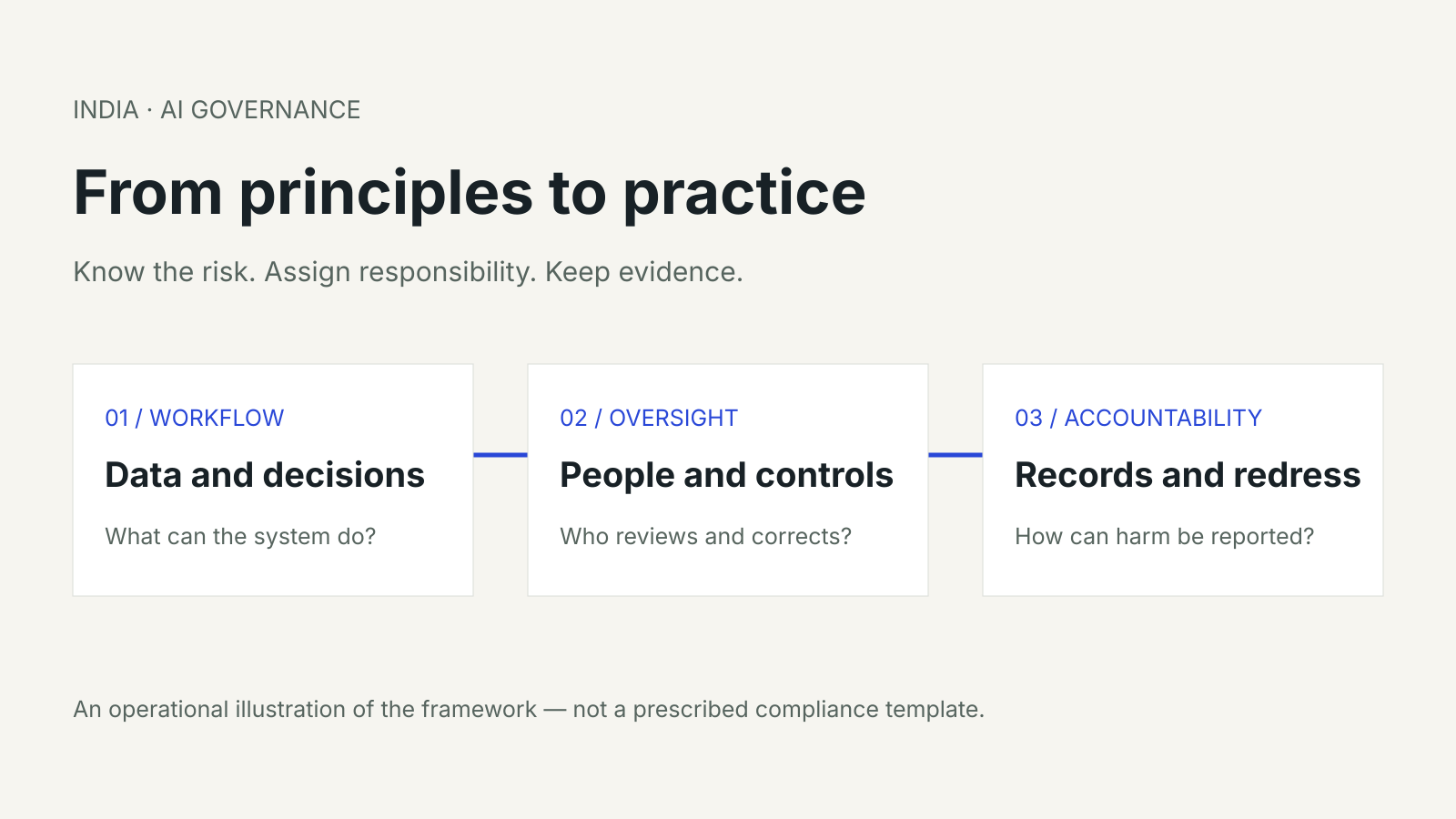
India's AI Governance Guidelines: What Companies Should Know
What India's AI framework recommends on risk, transparency and accountability, and what changed in 2026.
Digital Arrest Scams: What Indian Agencies Say and How to Report Them
Fake officials, a parcel story and a video call you must not leave: how the scam works and where to report it.

SEBI Opens an Official WhatsApp Channel and a Campus Literacy Scheme
SEBI's WhatsApp channel uses 1800 22 7575 and a verified blue tick; a new MUST scheme trains campus mentors.
Crypto Tax in India: 30% VDA Tax, 1% TDS and What Isn't Deductible
A flat 30% on gains, only purchase cost deductible, no loss set-off and 1% TDS on sales under the 2025 Act.

RBI Governor on Financial Stability: AI Valuations and Cyber Risk
Sanjay Malhotra's 3 October speech lists five global risks and says India's financial system is very resilient.
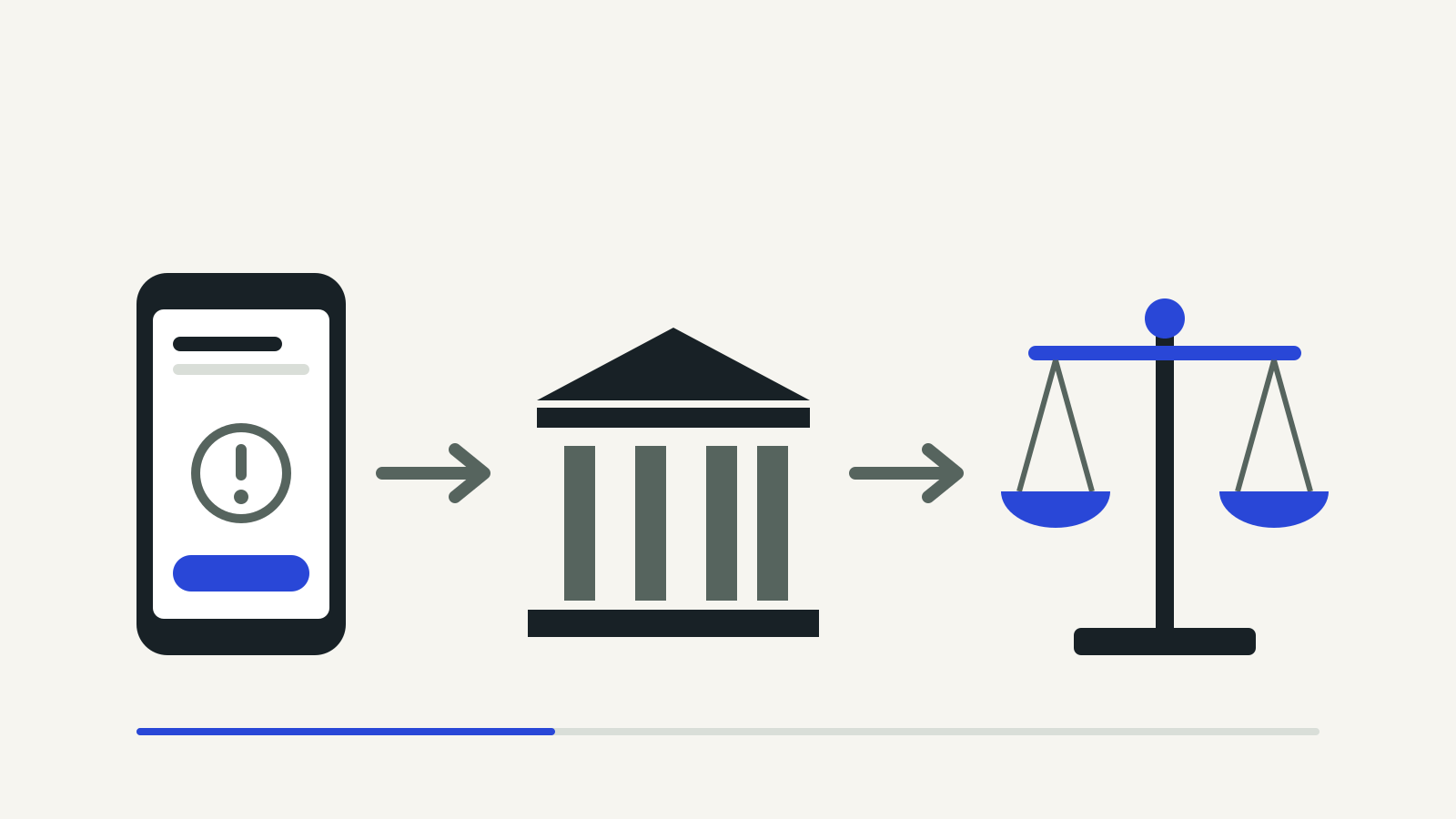
How to Raise a UPI Complaint: App, Bank, NPCI and the RBI Ombudsman
Start with your UPI app or bank; NPCI passes complaints on, and the RBI Ombudsman comes after 30 days.
SEBI Document Verification Now Asks for a Letter's Subject
SEBI's letter-verification tool now requires the subject, along with the number, official, date and recipient.
SEBI Project Jagrook: Brokers Must Show Investor Awareness Messages
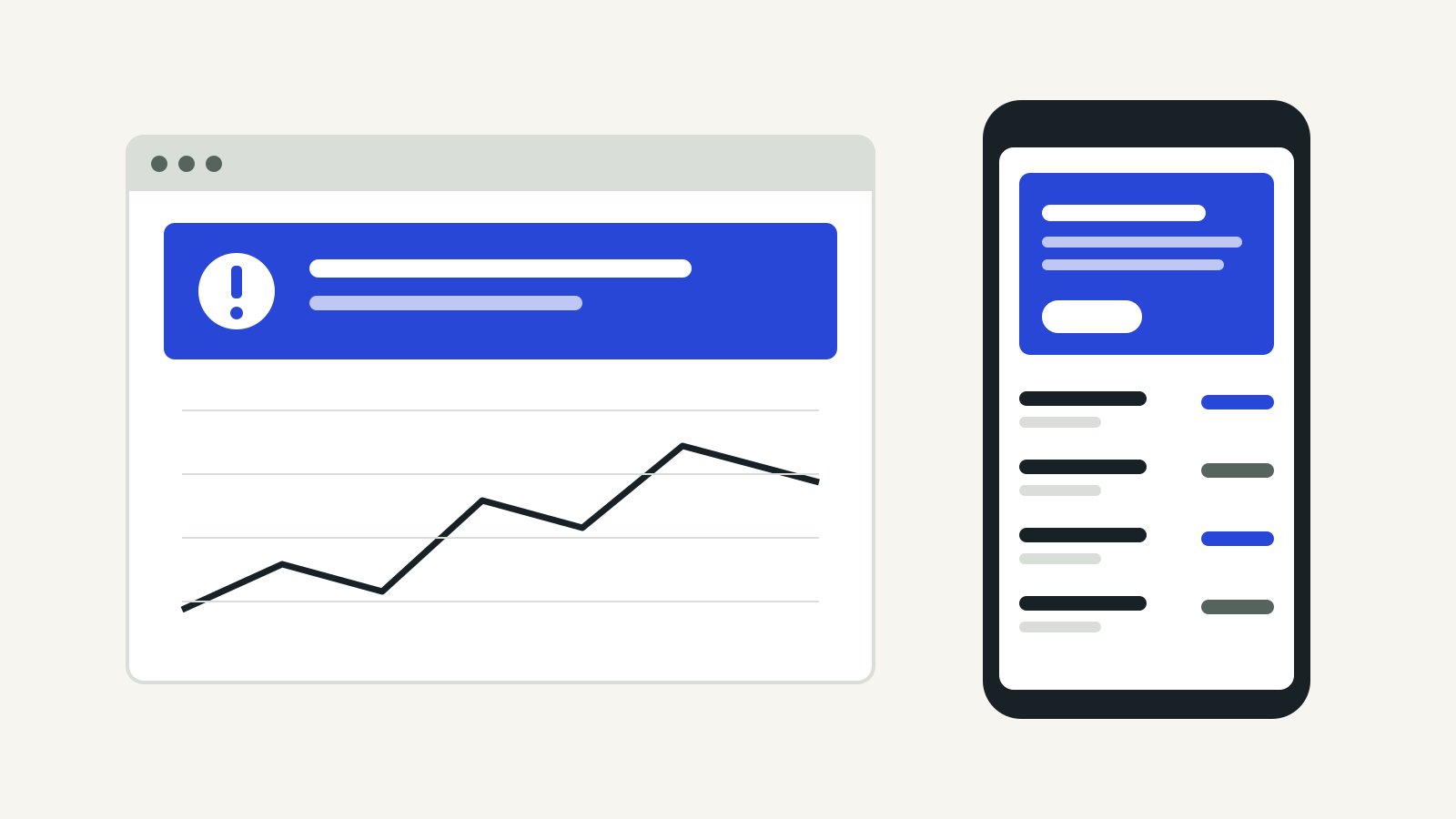
Brokers show SEBI investor messages on websites from 5 October and on app landing pages from 1 November.
UPI AutoPay Mandates: How to View, Pause and Cancel Recurring Debits
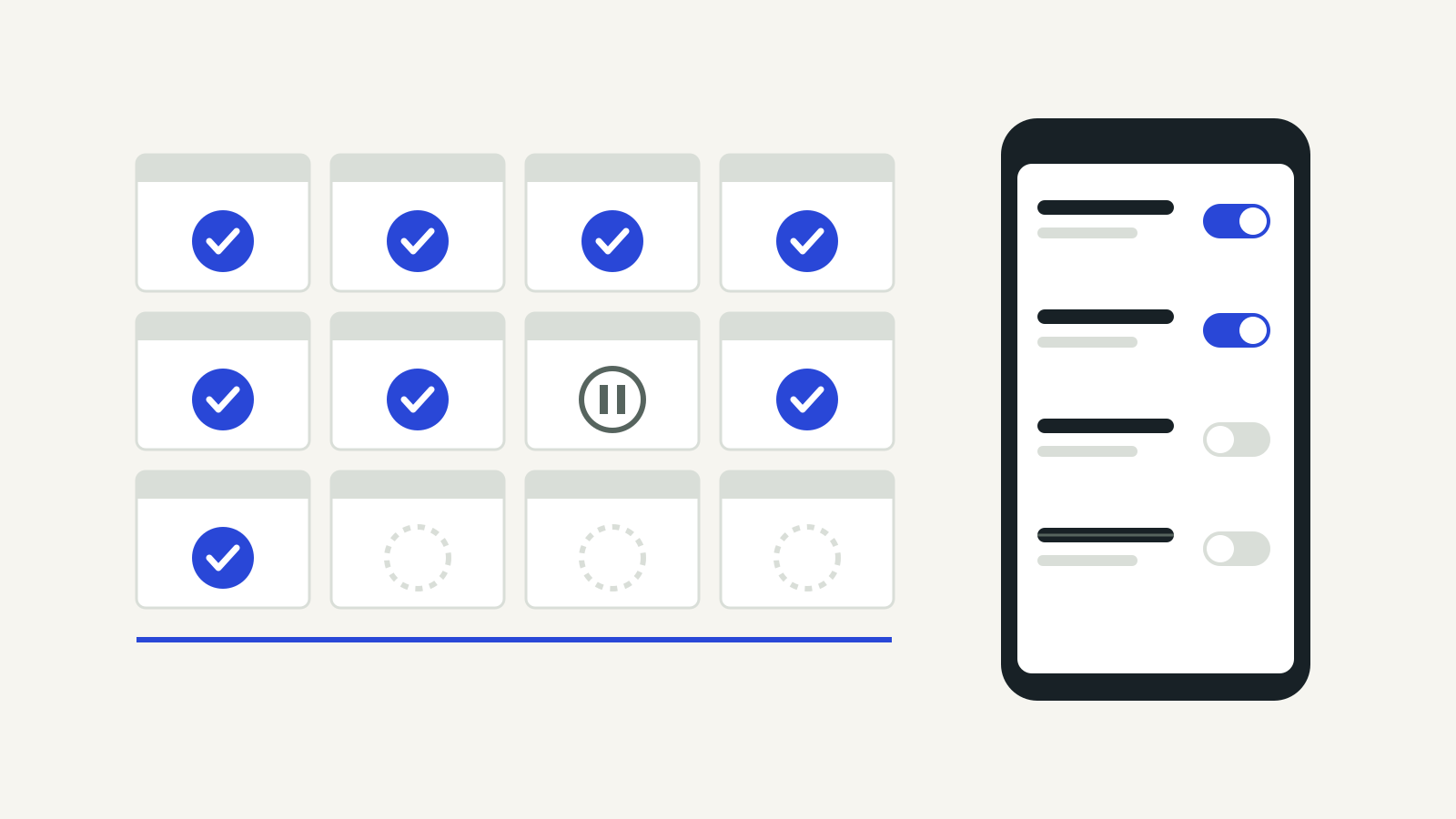
Cancel UPI AutoPay from any app, the merchant or your bank. Loan and EMI mandates are the exception.
RBI Opens a One-Time Approval Route for Bank Shareholding by Funds
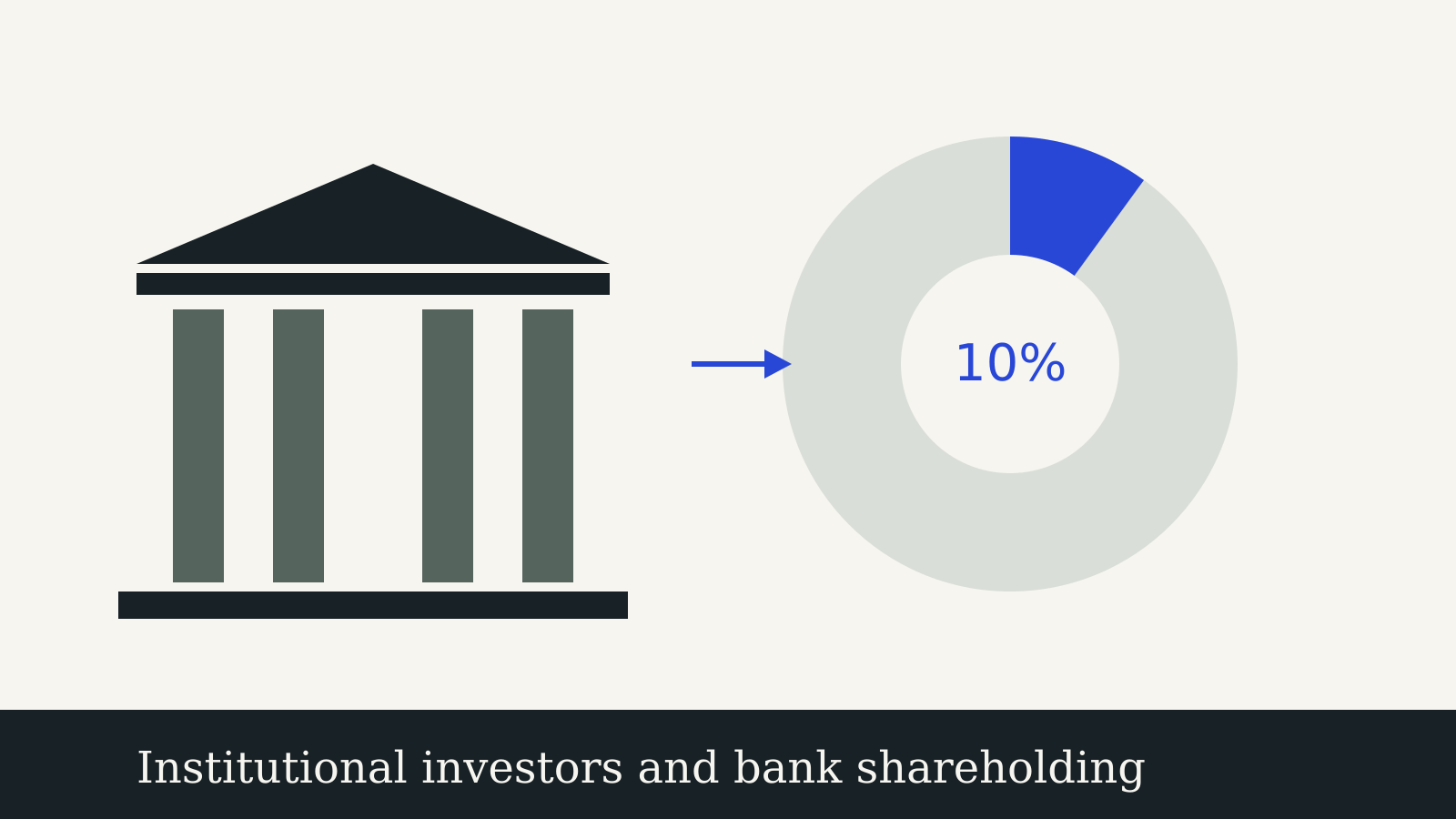
Mutual funds, insurers and pension funds can seek one RBI approval to rebuild bank stakes up to 10%.
UPI MDR From 15 October: What Merchants Pay and What Stays Free
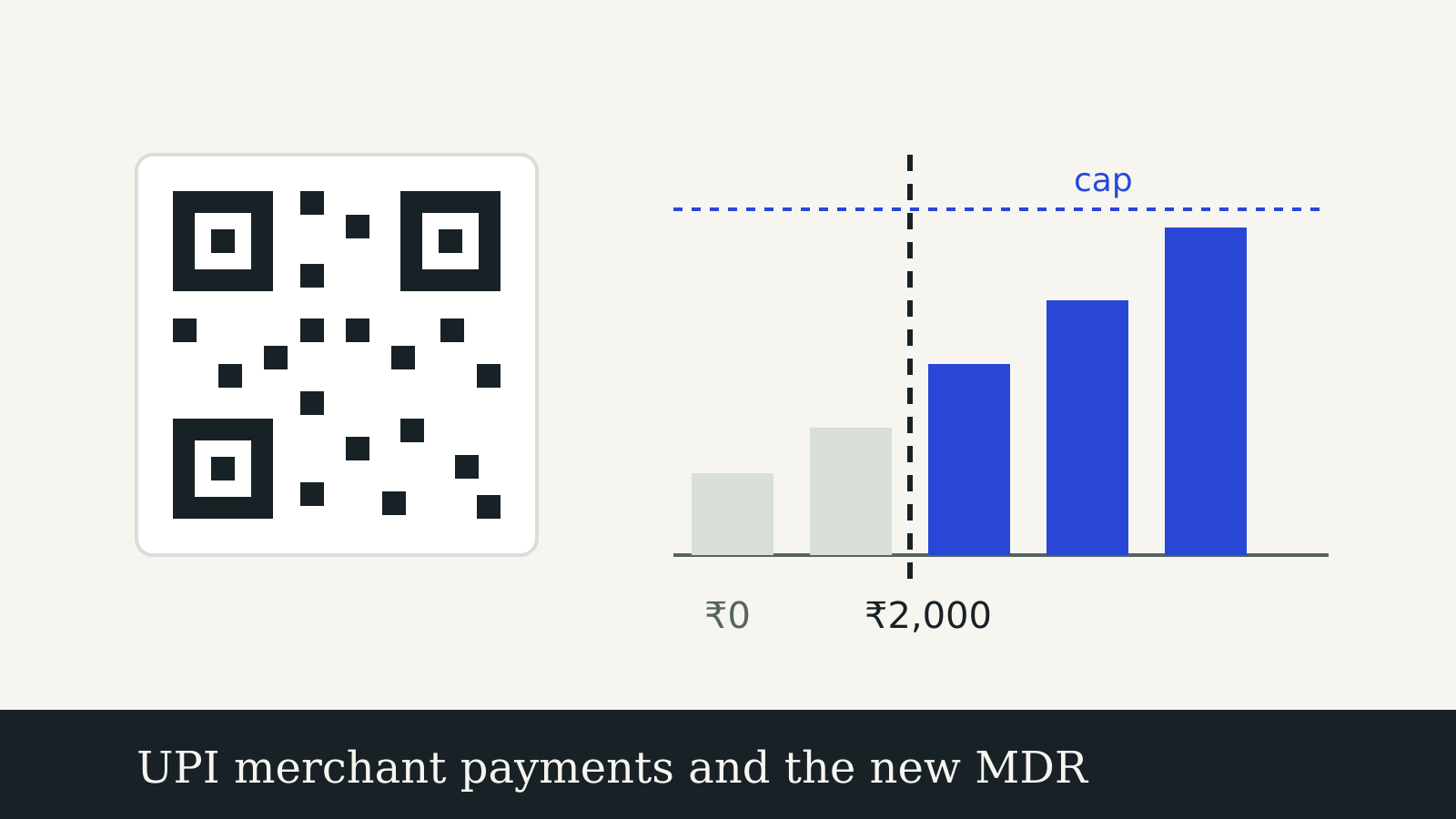
A 0.4% MDR on UPI merchant payments above ₹2,000 starts on 15 October. Customers and small vendors stay exempt.