Mutual funds, insurance companies and pension funds can now ask the Reserve Bank of India for a one-time approval to rebuild their bank shareholding, instead of returning to the regulator each time their stake dips below 5% and climbs back. The RBI issued the final amendment directions on 1 October 2026, and they took effect immediately.
The change appears in four sets of directions dated 1 October 2026, one each for commercial banks, small finance banks, payments banks and local area banks, all titled “Acquisition and Holding of Shares or Voting Rights” Amendment Directions, 2026. The RBI’s press release of the same date says the final text follows a draft released on 14 July 2026 and comments received until 4 August.
What changed
Under the existing directions, anyone making an initial acquisition of “major shareholding” in a bank needs prior RBI approval. If that investor’s aggregate holding later fell below 5%, a fresh approval was required before buying back above the threshold. For funds that trade bank shares regularly, that meant repeated applications for the same bank.
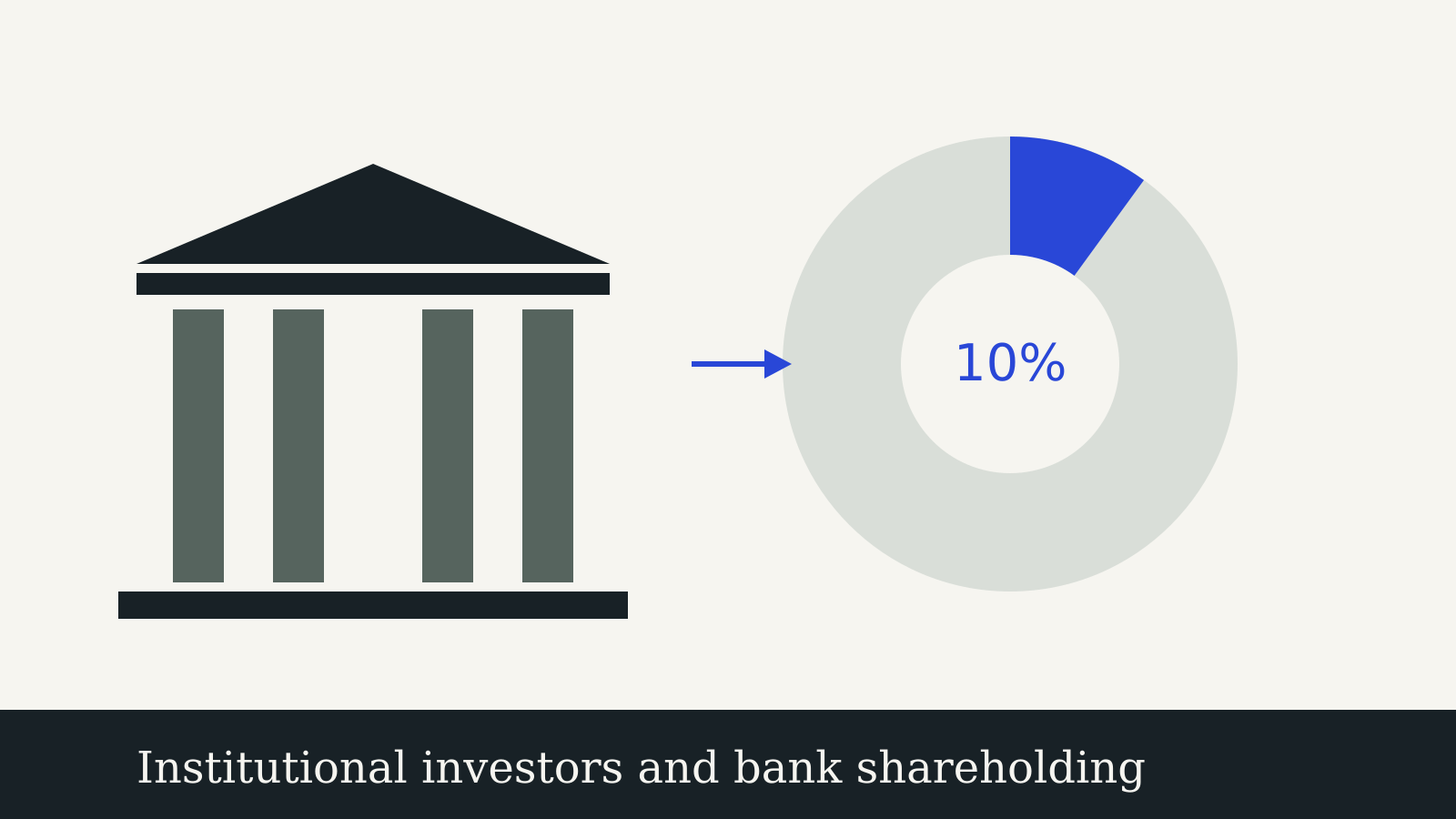
The amendment keeps prior approval for the first acquisition. After that, the RBI may, at its discretion, grant a “qualifying person” one-time approval for subsequent acquisitions of major shareholding up to 10% of a bank’s paid-up share capital or voting rights. The 10% is calculated on an aggregate basis, and approval can be given to qualifying persons individually or collectively. Applications go through the RBI’s PRAVAAH portal, and the bank concerned must send its comments in Form A1.
A qualifying person is a mutual fund registered with SEBI, a pension fund registered with PFRDA or an insurer registered with IRDAI that does not belong to the bank’s promoter group. In the commercial bank directions, the bank’s wider group is excluded too.
Changes from the July draft
The final text differs from the draft on reporting. The draft would have required investors with one-time approval to report a move below or above 5% to the RBI and the bank within one day. The final directions allow three working days.
The final version also spells out that the RBI can revoke the approval for non-compliance with its conditions, or if the investor or a person associated with it is later found not to be “fit and proper”. It allows a bank to apply on behalf of a qualifying person from its own promoter group or group.
A separate clarification covers portfolio managers. A client’s purchase is not treated as an indirect acquisition by the portfolio manager when the client is the registered owner with voting rights, the manager gives only non-binding advice, and any votes it casts follow a specific mandate from the client.
Why it matters
The change does not alter who may own a bank or remove RBI oversight; holders of a one-time approval are brought under the same continuous monitoring as other major shareholders. What it removes is a repeated approval step for the large domestic institutions that hold bank shares on behalf of savers, policyholders and pension subscribers.
Questions
Who can apply for the one-time approval?
A mutual fund registered with SEBI, a pension fund registered with PFRDA or an insurer registered with IRDAI that is outside the bank’s promoter group.
Does the first purchase still need RBI approval?
Yes. Prior approval remains mandatory for the initial acquisition of major shareholding; the one-time route covers later acquisitions up to 10%.
How quickly must holders report a change?
Within three working days of their aggregate holding moving below or above 5%, to both the RBI and the bank.
Sources
- Reserve Bank of India, press release “RBI issues Amendment Directions on ‘Simplified approval process for subsequent acquisitions of major shareholding in a banking company by mutual funds, insurance companies and pension funds’”, 1 October 2026
- Reserve Bank of India (Commercial Banks – Acquisition and Holding of Shares or Voting Rights) Amendment Directions, 2026, 1 October 2026, and the corresponding directions for small finance banks, payments banks and local area banks of the same date
- Reserve Bank of India, draft Amendment Directions released on 14 July 2026