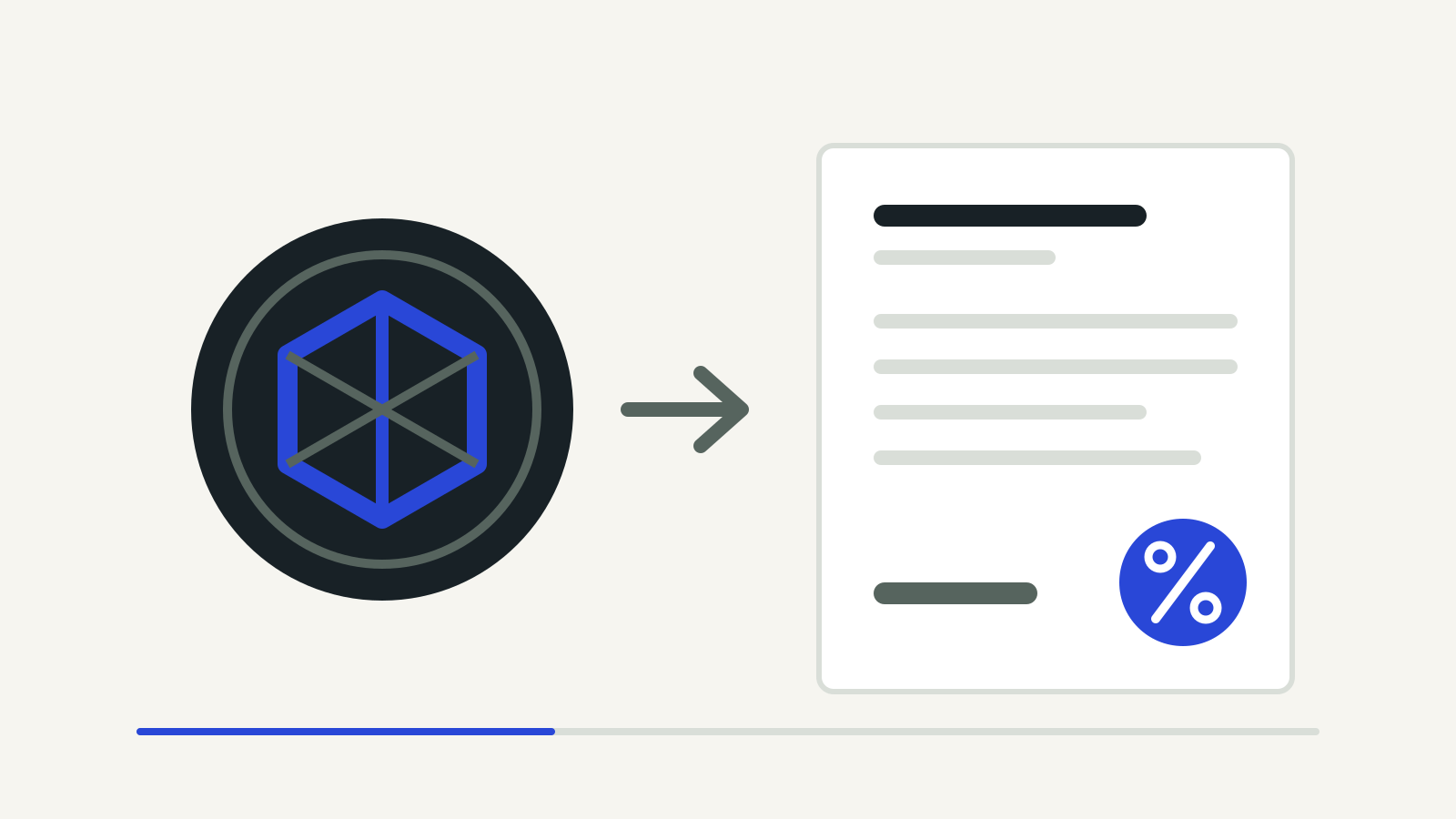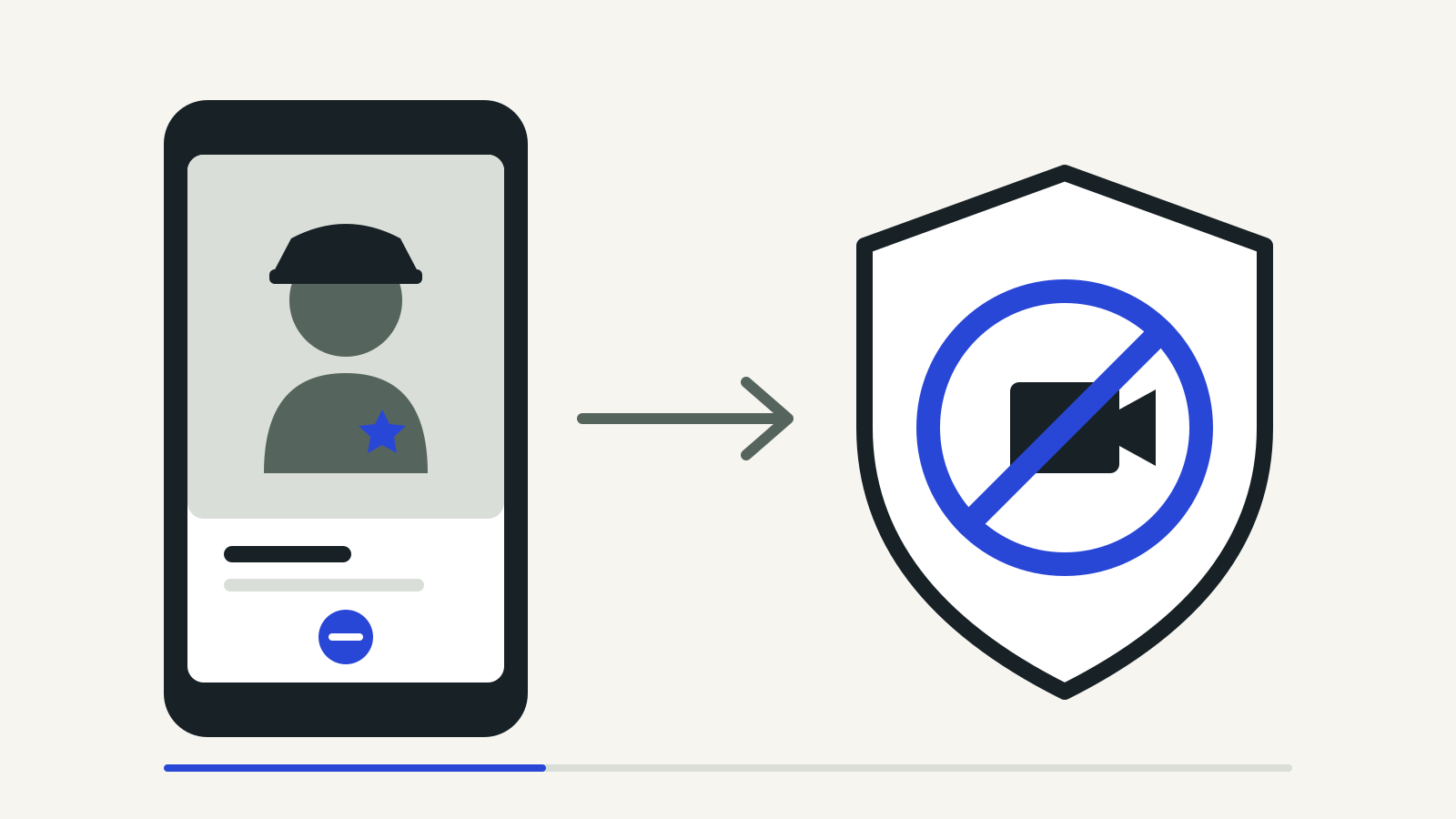
A digital arrest scam starts with a call from someone who says they are from the police, the CBI, the narcotics bureau, the Enforcement Directorate or even the Reserve Bank of India. They tell you a parcel in your name holds drugs or fake passports, or that a relative is in custody, and that the “case” can be settled for money. Then they keep you on a video call until you pay.
The Ministry of Home Affairs calls this “an organized online economic crime”, run by cross-border syndicates, and describes the callers as cyber criminals posing as officials. This guide sets out what Indian agencies have said about the scam, how large it has become on official figures, and where to report it.
How the scam works, in the Home Ministry’s words
The Ministry of Home Affairs (MHA) described the pattern in a public alert of 14 May 2024. Fraudsters call a potential victim and say that the victim “has sent or is the intended recipient of a parcel, which contains illegal goods, drugs, fake passports or any other contraband item”. Sometimes they say a “near or dear one” has been caught in a crime or an accident and is in their custody. A demand for money follows “to compromise the case”.
In some cases, the alert says, victims “are made to undergo ‘Digital Arrest’ and remain visually available over Skype or other video conferencing platform to the fraudsters, till their demands are met”. The callers use “studios modeled on Police Stations and Government offices and wear uniforms to appear genuine”. The agencies impersonated, according to the same alert, include state and Union Territory police, the CBI, the narcotics department, the RBI and the Enforcement Directorate.
The Prime Minister spoke about digital arrests in the Mann Ki Baat broadcast of 27 October 2024, the MHA told the Rajya Sabha. The government has also run newspaper advertisements and Delhi Metro announcements on the scam, and caller tunes promoting the 1930 cybercrime helpline.
How big it has become
The MHA gave year-wise figures for “digital arrest scams and related cyber crimes” reported on the National Cyber Crime Reporting Portal in a written reply in the Rajya Sabha on 12 March 2025:
| Year | Incidents reported | Amount defrauded (₹ crore) |
|---|---|---|
| 2022 | 39,925 | 91.14 |
| 2023 | 60,676 | 339.03 |
| 2024 | 1,23,672 | 1,935.51 |
| 2025 (to 28 February) | 17,718 | 210.21 |
Source: Ministry of Home Affairs, Rajya Sabha Unstarred Question No. 1505, 12 March 2025. These are complaints reported on the portal, not cases proved in court.
Between 2022 and 2024 the number of reported incidents roughly tripled, while the amount reported lost rose about 21 times. The government has said separately that the National Crime Records Bureau does not keep specific data on digital arrest scams, so the portal figures are the main official count. We found no later year-wise breakdown in the ministry’s published replies.
What the government has done
Policing is a state subject, so complaints are investigated by state and Union Territory police. The Centre’s role runs through the Indian Cyber Crime Coordination Centre (I4C), an attached office of the MHA. Its published steps include:
- Blocking accounts. By March 2025, I4C had “identified and blocked more than 3,962 Skype IDs and 83,668 Whatsapp accounts used for Digital Arrest”, according to the same Rajya Sabha reply.
- Blocking spoofed calls. The Department of Telecommunications runs a system that blocks incoming international calls disguised with Indian mobile numbers, a technique the MHA links to fake digital arrests. In a Rajya Sabha reply reported by PIB on 12 February 2026, the DoT said the system, commissioned on 17 October 2024, had brought a nearly 99% reduction in spoofed calls showing an Indian number.
- Blocking SIMs and handsets. By 30 June 2026, more than 15.75 lakh SIM cards and 5.77 lakh IMEIs reported by police had been blocked, the MHA told the Lok Sabha in a reply of 11 August 2026.
- Freezing money in transit. The Citizen Financial Cyber Fraud Reporting and Management System, set up in 2021, had saved more than ₹11,158 crore across more than 32.80 lakh complaints by 30 June 2026, the same reply says. A Money Restoration Module for returning defrauded money to victims has been working since April 2026.
How to protect yourself
The MHA’s description points to a few clear warning signs. A call or video call from someone claiming to be an officer, a parcel or a relative you know nothing about, an order to stay on camera, and a demand for money to “settle” a case all belong to the pattern the ministry has described.
- End the call. You can verify a real notice by contacting the agency or your local police station through a number you look up yourself.
- Do not pay or share banking details, OTPs or screen access, however urgent the caller makes it sound.
- Check the caller’s identifiers. The National Cyber Crime Reporting Portal has a “Report and Check Suspect” feature that lets citizens search I4C’s repository of identifiers used by cyber criminals, the MHA told the Rajya Sabha on 27 November 2024.
How to report a digital arrest scam
The MHA’s advice is to report “immediately” by calling the national cybercrime helpline 1930 or filing a complaint at cybercrime.gov.in. Speed matters if money has already gone: the ministry says its financial fraud reporting system exists for immediate reporting of frauds and “to stop siphoning off funds by the fraudsters”.
If you paid from a bank account or through UPI, also tell your bank at once; our guide to raising a UPI complaint explains how bank complaints and escalation work. Suspected fraud calls and messages can also be reported on the DoT’s Sanchar Saathi platform; the DoT says 7.93 lakh citizen reports there had led to 39.53 lakh mobile connections being disconnected, as of its February 2026 reply.
Keep the caller’s number, screenshots of any video call or documents they showed, and transaction references. The police will need them.
Questions
Is “digital arrest” a real legal procedure?
The Home Ministry treats it as a fraud: its alerts describe “digital arrests” as a tactic used by cyber criminals posing as police and other agencies, and it advises people who get such calls to report them to the cybercrime helpline.
Where do I report a digital arrest call?
Call 1930 or file a complaint at cybercrime.gov.in. If you have already paid, also contact your bank immediately.
How much money has been lost to digital arrest scams in India?
Complaints on the National Cyber Crime Reporting Portal reported ₹1,935.51 crore defrauded in 2024 across 1,23,672 incidents of digital arrest and related scams, according to the Home Ministry.
Which agencies do scammers pretend to be?
The MHA names state and UT police, the CBI, the narcotics department, the RBI and the Enforcement Directorate, among other law enforcement agencies.
Sources
- Ministry of Home Affairs (PIB): Alert against incidents of ‘Blackmail’ and ‘Digital Arrest’ by cyber criminals impersonating State/UT Police, NCB, CBI, RBI and other law enforcement agencies, 14 May 2024
- Ministry of Home Affairs (PIB): Digital Arrest Scam, Lok Sabha written reply, 10 December 2024
- Ministry of Home Affairs: Rajya Sabha Unstarred Question No. 228, 27 November 2024
- Ministry of Home Affairs: Rajya Sabha Unstarred Question No. 1505, Combating digital arrest, blackmail and cyber impersonation of law enforcement agencies, 12 March 2025
- Ministry of Communications (PIB): Digital Intelligence Platform and reduction in telecom frauds, Rajya Sabha reply, 12 February 2026
- Ministry of Home Affairs: Lok Sabha Unstarred Question No. 3751, Misleading Mobile Applications, 11 August 2026
- Ministry of Home Affairs: National Cyber Crime Reporting Portal