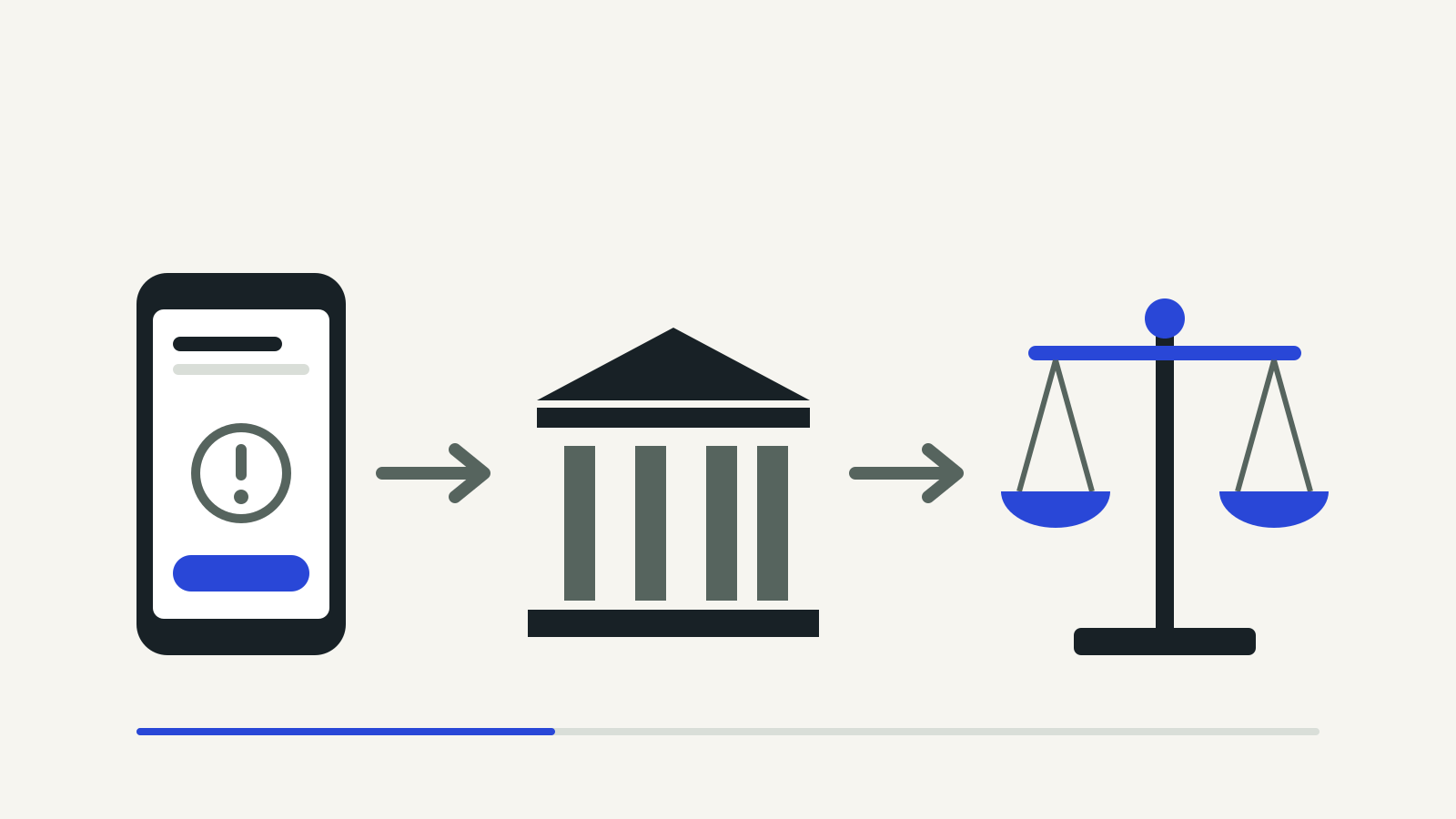
If a letter or notice claiming to come from SEBI reaches you, the regulator’s document verification tool now asks for one more detail before it confirms the document: its subject. The Securities and Exchange Board of India said in a press release on 1 October 2026 that it has revamped its “Document Number Verification System” “to strengthen and increase the credibility of the authentication done”.
SEBI first launched the system in April 2025. Under the change, the “Subject Matter” of a SEBI letter is now a mandatory field when a physical letter or notice is verified, and the system has been aligned with the outward number format generated by the outward module of SEBI’s E-Office system.
How the check works
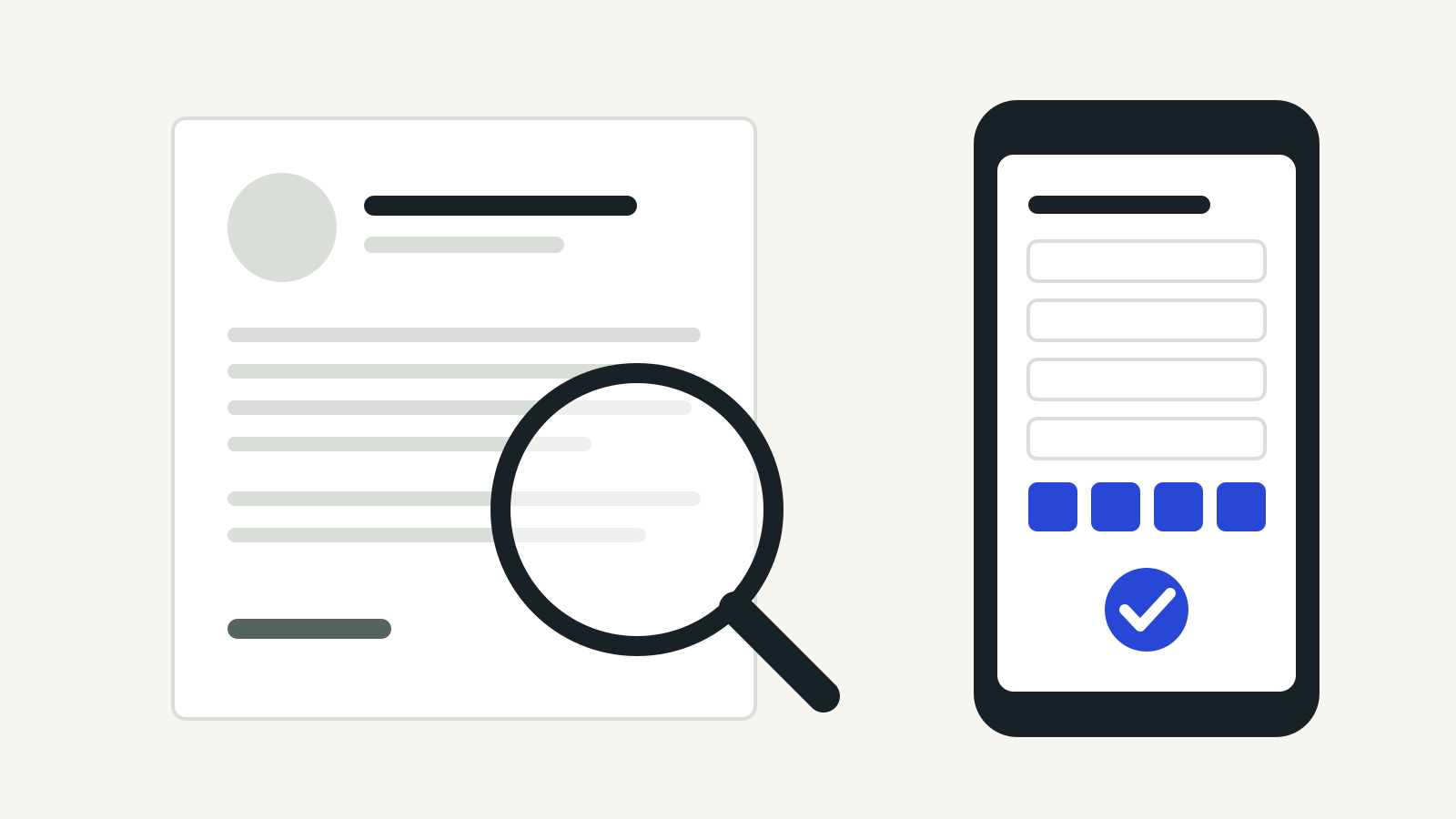
The tool sits on SEBI’s website as Authenticate Document Issued by SEBI. The recipient of a letter, or someone acting for them, first validates their own credentials: the page asks for the verifier’s name, their relation to the recipient and a mobile number, which is confirmed with an OTP.
The verifier then enters five details from the letter:
- the outward (document) number
- the name of the SEBI official who issued it
- the date of issue
- the subject
- the name of the recipient
If the details match, the system confirms that a letter or communication with those details was issued by SEBI. If they do not, it says no record was found. SEBI advises the person to re-enter the details or to write to dnvs@sebi.gov.in for confirmation.
The press release says the check covers letters including notices and show cause notices. It also draws a limit: the verification “does not constitute a verification of the contents of that letter”. A match tells you SEBI sent a letter with those particulars, not that every statement in the copy you hold is accurate.
Older letters go by email
Because the revamped system was operationalised from September 2026, SEBI says communications issued before that should be verified by emailing the necessary details to dnvs@sebi.gov.in. The verification page also carries a guidance note on using the system.
Why it matters
A letter that appears to come from the regulator, whether it asks for a payment, threatens a penalty or seems to endorse an investment, is worth testing before you act on it. The check lets a recipient do that against SEBI’s own records rather than relying on the letterhead. It needs details printed on the letter itself, so a document that leaves out a number, an official’s name or a subject cannot be confirmed through the tool.
SEBI’s investor messaging is also moving onto brokers’ platforms this month: under Project Jagrook, stock brokers show the regulator’s awareness messages on their websites from 5 October and on app landing pages from 1 November.
Questions
How do I check whether a SEBI letter is genuine?
Use the Authenticate Document Issued by SEBI page on sebi.gov.in. Verify your mobile number with an OTP, then enter the letter’s outward number, the issuing official’s name, the date, the subject and the recipient’s name.
What if the letter is older than September 2026?
SEBI says letters issued before the revamped system went live should be verified by email to dnvs@sebi.gov.in.
Does a match mean everything in the letter is true?
No. SEBI says the check confirms that a letter with those details was issued, not the contents of the copy you hold.