Since 20 February 2026, India’s IT Rules have included a deepfake labelling regime. Platforms that let people make or share realistic synthetic media must label it, embed traceable metadata where technically feasible, block the categories the rules treat as unlawful, and act on complaints within hours rather than days. For anyone who posts AI video or cloned audio for work, the practical effect is a new question at upload time: is this synthetic?
The changes came through the Information Technology (Intermediary Guidelines and Digital Media Ethics Code) Amendment Rules, 2026, notified by the Ministry of Electronics and Information Technology (MeitY) as G.S.R. 120(E) on 10 February 2026. MeitY published frequently asked questions on the same day; the FAQ explains the rules but says it is not a legal document and does not replace them.
What counts as synthetically generated information
The rules use the term “synthetically generated information”, or SGI. It covers audio, images and video that are artificially or algorithmically created or altered so that they appear real and depict a person or event in a way that is, or is likely to be seen as, indistinguishable from a real person or a real-world event.
The definition is narrower than “anything touched by AI”. The notified text excludes three groups:
- routine or good-faith editing, such as colour correction, noise reduction, transcription or compression, as long as it does not materially change the meaning of the content;
- routine preparation of documents, presentations, training material or research outputs, including illustrative or template-based content, unless it produces a false document or false electronic record;
- tools used only to improve accessibility, clarity, translation, description or searchability, without altering a material part of the content.
MeitY’s FAQ adds that text on its own is not SGI, because the definition is limited to audio, visual and audio-visual material. A chatbot-written article is outside the SGI rules, though platforms’ general duties on unlawful content still apply to it.
The labelling duty
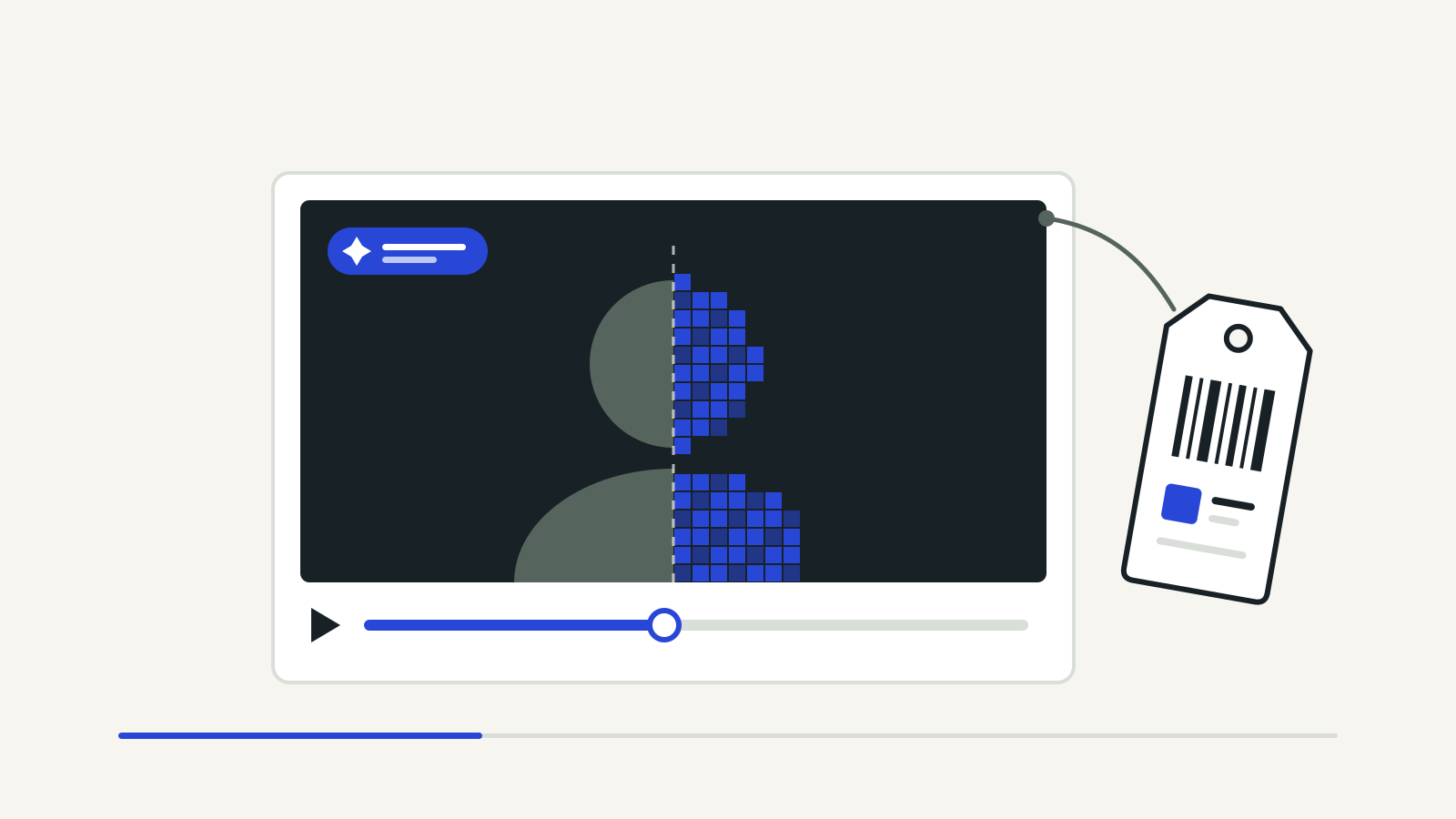
The core is a new rule 3(3). Any intermediary whose service can be used to create, modify, publish or share SGI must make sure that synthetic content which is not prohibited is “prominently labelled”. In the words of the notified rule, the label must ensure “prominent visibility in the visual display that is easily noticeable and adequately perceivable”; for audio, the disclosure must be prefixed at the start.
Labels are only half of it. The same content must carry permanent metadata or another technical provenance mechanism, “to the extent technically feasible”, including a unique identifier that points to the platform’s computer resource used to make or alter it. Rule 3(3)(b) then bars the platform from letting anyone modify, suppress or remove the label or the metadata. The FAQ gives “remove watermark” and “export without metadata” as examples of features a platform should not offer.
The notified standard is looser than the first proposal. MeitY’s October 2025 draft wanted labels to cover at least ten per cent of the visual display, or the first ten per cent of an audio clip. The final text dropped the fixed percentage in favour of the prominence test above.
What platforms must block
Labelling applies only to lawful synthetic content. For the rest, rule 3(3)(a)(i) requires platforms to deploy “reasonable and appropriate technical measures”, including automated tools, to stop users creating or sharing SGI that breaks the law. The rule names four categories in particular:
- child sexual abuse material, non-consensual intimate imagery, and obscene or sexually explicit content, including content that invades bodily privacy;
- SGI that creates a false document or false electronic record;
- SGI about preparing or procuring explosives, arms or ammunition;
- SGI that falsely depicts a real person or event in a way likely to deceive, including a person’s identity, voice, conduct or statements.
The FAQ’s examples of the last category include a deepfake of a celebrity endorsing an investment scheme, a cloned voice of a relative asking for money urgently, and a video of a CEO or senior official giving false instructions to transfer funds.
Extra duties for large social media platforms
Significant social media intermediaries, the largest platforms under the IT Rules, have a further obligation under new rule 4(1A). Before content goes live, they must ask the user to declare whether it is synthetic, use technical measures to check that declaration, and label content confirmed as SGI. A platform that knowingly permits, promotes or fails to act on SGI in breach of the rules is treated as having failed its due diligence.
The FAQ is explicit that a user’s declaration alone is not enough; the platform has to verify it. Its own example is an upload form asking “AI-generated: Yes/No”, checked against metadata and detection signals.
Shorter clocks for takedowns and complaints
The amendment also cut several deadlines in the IT Rules, and these apply to all unlawful content, not only deepfakes:
| Situation | Earlier | From 20 February 2026 |
|---|---|---|
| Removal after a court order or authorised government intimation, rule 3(1)(d) | 36 hours | 3 hours |
| Resolving a user grievance, rule 3(2)(a)(i) | 15 days | 7 days |
| Grievances seeking removal of content under rule 3(1)(b) | 72 hours | 36 hours |
| Complaints about intimate, morphed or impersonating content, rule 3(2)(b) | 24 hours | 2 hours |
Source: G.S.R. 120(E) and MeitY FAQ, 10 February 2026.
Platforms must also remind users of their rules at least once every three months instead of once a year, and services that enable SGI must warn users that misuse can lead to removal, account suspension and penalties under laws including the Bharatiya Nyaya Sanhita, 2023.
What this means at work
The duties fall on intermediaries, not on the companies or creators who post. But anyone using synthetic presenters, AI-edited product videos or text-to-speech voiceovers on Indian platforms should expect declaration prompts, visible labels and embedded metadata that cannot be stripped by the platform’s tools. The FAQ says lawful satire and creative synthetic work may be permitted if it is appropriately declared or labelled and breaks no law.
If you find a deepfake of yourself, the first route is the platform’s grievance mechanism, where the two-hour clock applies to intimate, morphed and impersonating content. If money has been taken through a cloned voice or fake video call, report it on 1930 and the national cybercrime portal, as set out in our guide to filing a cyber fraud complaint; our piece on digital arrest scams covers the impersonation pattern in detail. The wider policy approach is in our explainer on India’s AI governance guidelines.
A second amendment is in draft
MeitY published draft Second Amendment Rules for consultation on 30 March 2026. A notice dated 21 April 2026 added a further proposal: replace “prominent visibility” with a requirement that the label be displayed continuously and clearly “throughout the duration of the content”. The same draft would make compliance with MeitY’s written clarifications and advisories part of a platform’s due diligence. Comments were invited until 7 May 2026. A draft has no legal force; until a final version is notified in the Gazette, the February text is the one platforms must follow.
Sources
MeitY: G.S.R. 120(E), IT (Intermediary Guidelines and Digital Media Ethics Code) Amendment Rules, 2026, 10 February 2026; FAQs on the Amendment Rules, 10 February 2026; draft amendment rules on synthetically generated information, October 2025; notice on the draft Second Amendment Rules, 21 April 2026. Documents consulted on 11 October 2026; links appear beside the relevant discussion.