There is no such thing as an RBI-approved loan app. The Reserve Bank of India regulates lenders, such as banks and NBFCs, not the apps themselves. What it does publish is a directory of the digital lending apps that regulated lenders say they use. Checking an app against that list is the quickest way to tell whether a regulated lender stands behind it before you share your documents.
This guide explains how the directory works, what a listing does and does not mean, and the rules a legitimate loan app must follow on your data, your money and recovery calls. It draws on the Reserve Bank of India (Digital Lending) Directions, 2025 and government statements checked on 10 October 2026.
What the RBI’s loan app list is
Since 1 July 2025 the RBI website has carried a directory titled “DLAs deployed by Regulated Entities”, reached from the Citizen’s Corner on rbi.org.in. Under paragraph 17 of the Digital Lending Directions, every bank, NBFC or other regulated entity must report each lending app it uses on the RBI’s CIMS portal, whether it owns the app or works through a lending service provider. That covers app-store apps and lending websites.
Each entry lists:
- the name of the app and who owns it;
- where it is available, with a link to the app-store page or website;
- the regulated lender behind it and that lender’s website;
- the name, email and phone numbers of the grievance redressal officer.
The Ministry of Finance told Parliament on 21 July 2026 that the directory “aims to aid the customers in verifying the claim of a DLA’s association with a RE”, meaning a regulated entity.
How to check a loan app
- Note the exact app name, the developer shown in the app store and the lender the app says it works for.
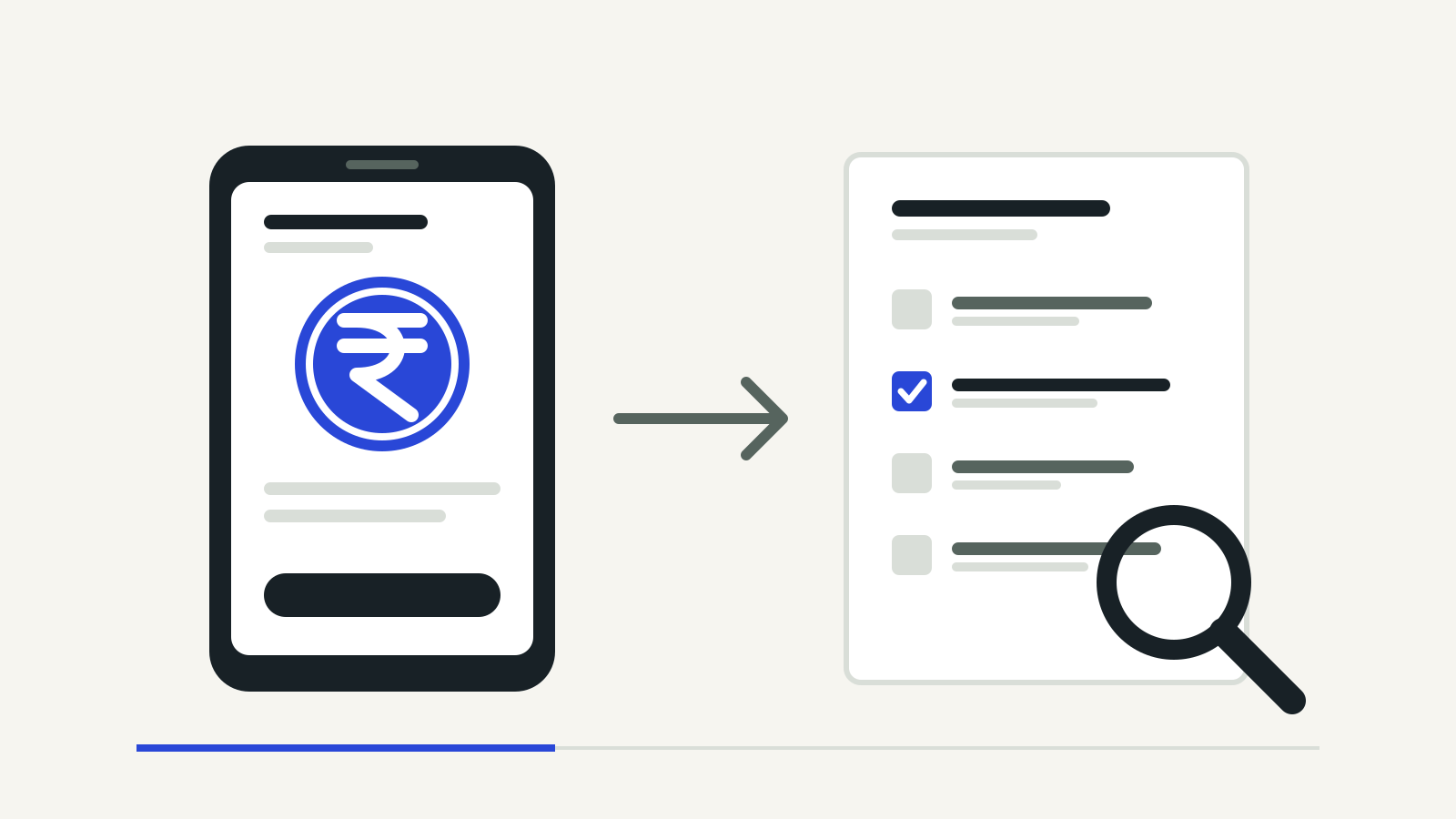
- Open rbi.org.in yourself, not a link from a message, and go to Citizen’s Corner, then the list of digital lending apps.
- Search the list for the app name. The same app can appear several times, once for each app store and each partner lender.
- Compare the store link in the directory with the app on your phone. Copycat apps often borrow a real lender’s name.
- Check that the lender named inside the app, in its loan documents and on its website matches the entity in the directory.
- Save the grievance officer’s details from the entry in case you need to complain later.
You can also start from the lender. The Directions require every regulated lender to list all its digital lending products, its apps and its lending service providers in one prominent place on its own website.
What a listing does not mean
The list is self-reported. The Directions say data submitted by lenders “shall be published on the website of RBI in an automated manner” and that the RBI will not verify it. They also forbid apps from presenting a listing as “registration, authorization, or endorsement by the Reserve Bank”.
So a listing tells you that a regulated lender has claimed the app. It does not tell you that the loan is affordable or that the app is well run. An app that is not on the list has no regulated lender reporting it, which is a strong reason not to borrow through it.
Rules a legitimate loan app must follow
The 2025 Directions set conduct rules for lenders and the apps they use. They are the clearest test of whether an app is behaving properly.
| Area | What the Directions require |
|---|---|
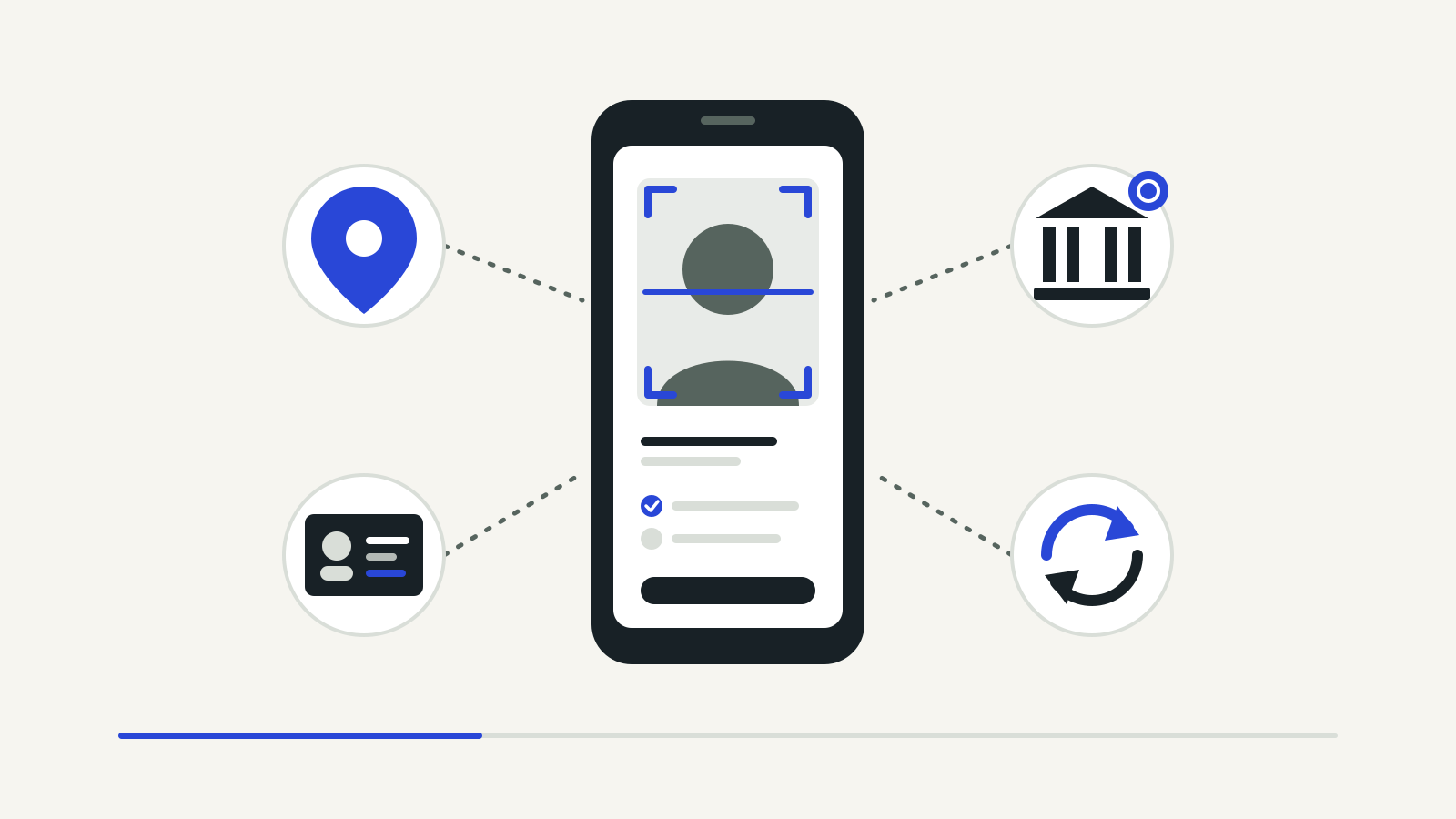
| Phone data | Apps must not access files and media, contact lists, call logs or telephony functions. One-time access to the camera, microphone or location is allowed only for onboarding or KYC, with explicit consent. |
| Consent | You can refuse or revoke consent for specific data, and ask the lender or its service provider to delete it. |
| Key Fact Statement | You must get a Key Fact Statement before the loan, and the signed documents must reach your registered email or SMS. |
| Disbursal | The loan goes straight into your own bank account, never to a third party, and repayments go directly to the lender. |
| Fees | Fees payable to the lending service provider are paid by the lender, not collected from you separately. |
| Cooling-off | You can exit within a cooling-off period of at least one day by repaying the principal and proportionate APR, without penalty. |
| Recovery | Before a recovery agent contacts you, the lender must send the agent’s details by email or SMS. |
| Complaints | The lender and the app must name a grievance redressal officer, shown on the app and in the Key Fact Statement. |
An app that asks for your contacts, wants an upfront “processing fee” before disbursal, or pays the loan into someone else’s account is breaking these rules.
If a loan app is harassing you
Apps that threaten borrowers, message their contacts or post morphed photos are a known pattern. The RBI’s circular on recovery agents, Outsourcing of Financial Services – Responsibilities of regulated entities employing Recovery Agents (12 August 2022), bars lenders and their agents from intimidation or harassment of any kind and from calling borrowers before 8 a.m. or after 7 p.m.
What to do depends on the app.
- Listed app, regulated lender: complain in writing to the grievance redressal officer named in the directory and keep the complaint number. If the lender rejects the complaint or does not reply within 30 days, paragraph 11 of the Directions sends you to the RBI Ombudsman through cms.rbi.org.in. Our guide to the Ombudsman route explains the deadlines.
- Unlisted or illegal app: report it to the National Cybercrime Reporting Portal at cybercrime.gov.in or on helpline 1930. The government named both as reporting routes for fake loan apps in its July 2026 statement. If someone is threatening you or sharing your images, also go to the local police. Our guide to filing a cyber fraud complaint covers the steps.
- Illegal deposit or lending schemes: the RBI’s Sachet portal (sachet.rbi.org.in) takes complaints about entities collecting money illegally.
Keep screenshots of the messages, the app’s store page, the loan documents and every payment reference. Do not pay a “settlement” to stop harassment without first checking who the lender is.
The Ministry of Finance said that the Ministry of Electronics and Information Technology had blocked 87 illegal loan apps under section 69A of the Information Technology Act by July 2026. Blocking takes time, so an app still being in the app store does not mean it is legal.