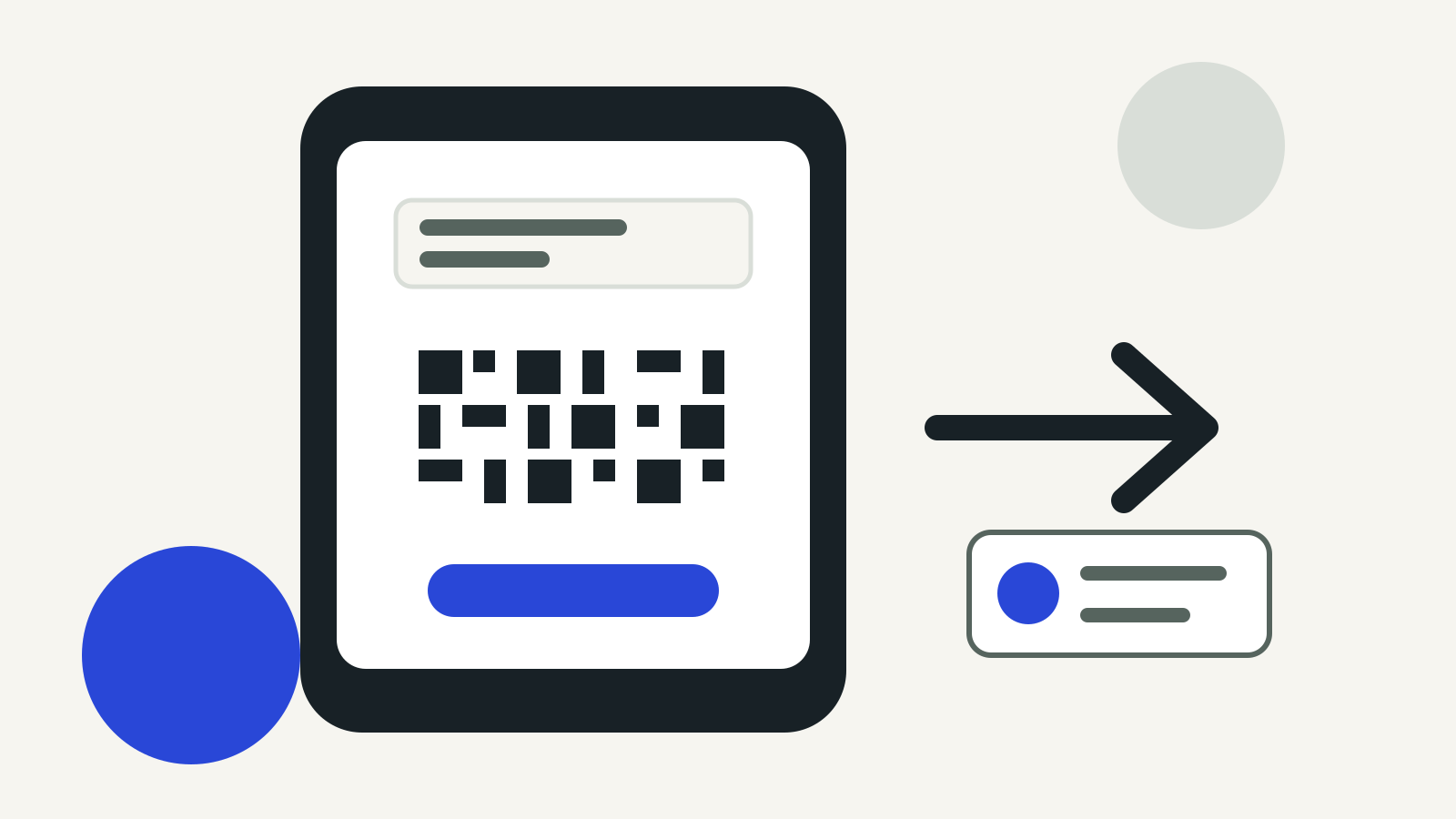
An e-RUPI voucher is a prepaid, purpose-specific payment sent as an SMS code or QR code. The beneficiary does not need to receive cash or use a general wallet balance, and the voucher can be redeemed only for the service chosen by the issuer.
What e-RUPI is
The National Payments Corporation of India describes e-RUPI as a one-time digital solution for person-specific and purpose-specific payments. It runs on the UPI infrastructure, but it is not the same as sending money to a UPI ID.
An organisation asks a participating issuer bank to create a voucher for a named beneficiary and a defined purpose. The beneficiary receives the voucher on a mobile phone. At an authorised merchant, the voucher is presented as a QR code or SMS string and redeemed against the permitted service.
The structure is useful when the payer wants to fund a benefit without handing over unrestricted cash. NPCI lists healthcare, scholarships, employee benefits, skills programmes, agricultural subsidies, public distribution, corporate social responsibility, student meals and transport as examples.
Who can issue a voucher
A beneficiary does not create an e-RUPI voucher. The sponsor is typically a government department, company or institution working through a live issuer bank. NPCI says only banks authorised by the Reserve Bank of India to issue prepaid payment instruments, and participating as UPI payment service providers, can issue e-RUPI.
The organisation supplies the issuer with the beneficiary and purpose information required for the programme. The bank then creates the voucher within the agreed process. Availability therefore depends on the sponsor, the participating bank and the merchant network for that particular use case.
For a consumer, the practical question is not whether any bank account can generate a voucher. It is whether the programme provider has issued one and whether the intended service provider is authorised to accept it.
How the beneficiary receives it
The voucher arrives as a QR code or an SMS-based code on the mobile number supplied to the issuer. A smartphone can display the QR code, while an SMS string supports a simpler phone workflow. The beneficiary should keep the original message and check the sender, the named purpose and the validity information before trying to redeem it.
Do not forward a voucher or its one-time password to someone claiming they can “activate” it. A genuine voucher is already tied to its programme and purpose. If a message looks suspicious, contact the organisation that issued the benefit or the bank through a verified number.
How redemption works
At the authorised merchant, present the QR code or SMS voucher. The merchant initiates redemption through its e-RUPI acceptance setup. The beneficiary confirms the payment using the verification step sent to the registered mobile number. The merchant then receives confirmation of the successful transaction.
Because the voucher is purpose-specific, it cannot simply be spent at any shop or transferred like cash. A healthcare voucher, for example, is designed for the approved healthcare service or medicine at a participating provider. That restriction is the control mechanism that lets the sponsor direct the benefit to its intended use.
Keep the redemption confirmation until the service has been delivered. If the merchant says the voucher failed, do not pay a stranger to “unlock” it. Contact the issuing programme or bank and provide the voucher reference without sharing OTPs.
Amount limit and validity
NPCI’s product FAQ lists ₹10,000 per voucher, with the explicit qualification “or as defined by regulator”. That short FAQ is not enough to determine the terms of every government or institutional programme. Check the amount and permitted redemption pattern in the particular scheme and issuer’s instructions rather than treating the FAQ figure as a universal cap. A beneficiary should not assume a voucher can be split across unrelated purchases.
The exact expiry and redemption conditions come from the voucher programme and issuer. Check the SMS or QR message and the sponsor’s instructions. If the voucher has expired or the beneficiary details are wrong, the sponsor or issuer must correct the problem; a merchant cannot rewrite the voucher’s terms.
How it differs from a normal UPI payment
A standard UPI payment moves money from a bank account or permitted source to a recipient chosen by the payer. The payer normally selects the merchant and amount at the time of payment.
An e-RUPI voucher is created in advance for a defined beneficiary and purpose. The sponsor controls the use case, and redemption happens only at an authorised acceptance point. The beneficiary does not need to add the amount to a wallet or treat it as a general bank balance.
It also differs from recurring mandates. Journalist Today’s guide to UPI AutoPay cancellation covers payments that repeat under a mandate. e-RUPI is designed around a prepaid voucher for a particular benefit. The Bharat Connect bill-payment guide explains another distinct flow used to fetch and pay registered bills.
What to check before using an e-RUPI voucher
Read the full message and confirm four details:
- the organisation or programme that issued the benefit;
- the purpose for which it can be used;
- the authorised merchant or service category;
- the expiry or other redemption conditions.
Use only the merchant’s normal checkout or redemption flow. Never share an OTP with a caller, and never scan a QR code sent by someone who claims it is required to receive money. If a voucher was expected but did not arrive, contact the sponsor first; the sponsor can verify whether the correct mobile number was supplied to the issuer.
For unresolved product issues, NPCI provides a complaint registration page. The issuing bank and programme provider remain the first places to ask about a specific voucher because they hold the beneficiary and programme records.
Source: NPCI e-RUPI product page, read 31 October 2026.