A SEBI SCORES complaint gives an investor a tracked route to seek redress from a listed company or a SEBI-regulated market entity. It is useful only after the investor has first approached the company or intermediary and kept the records of that attempt.
What SCORES can handle
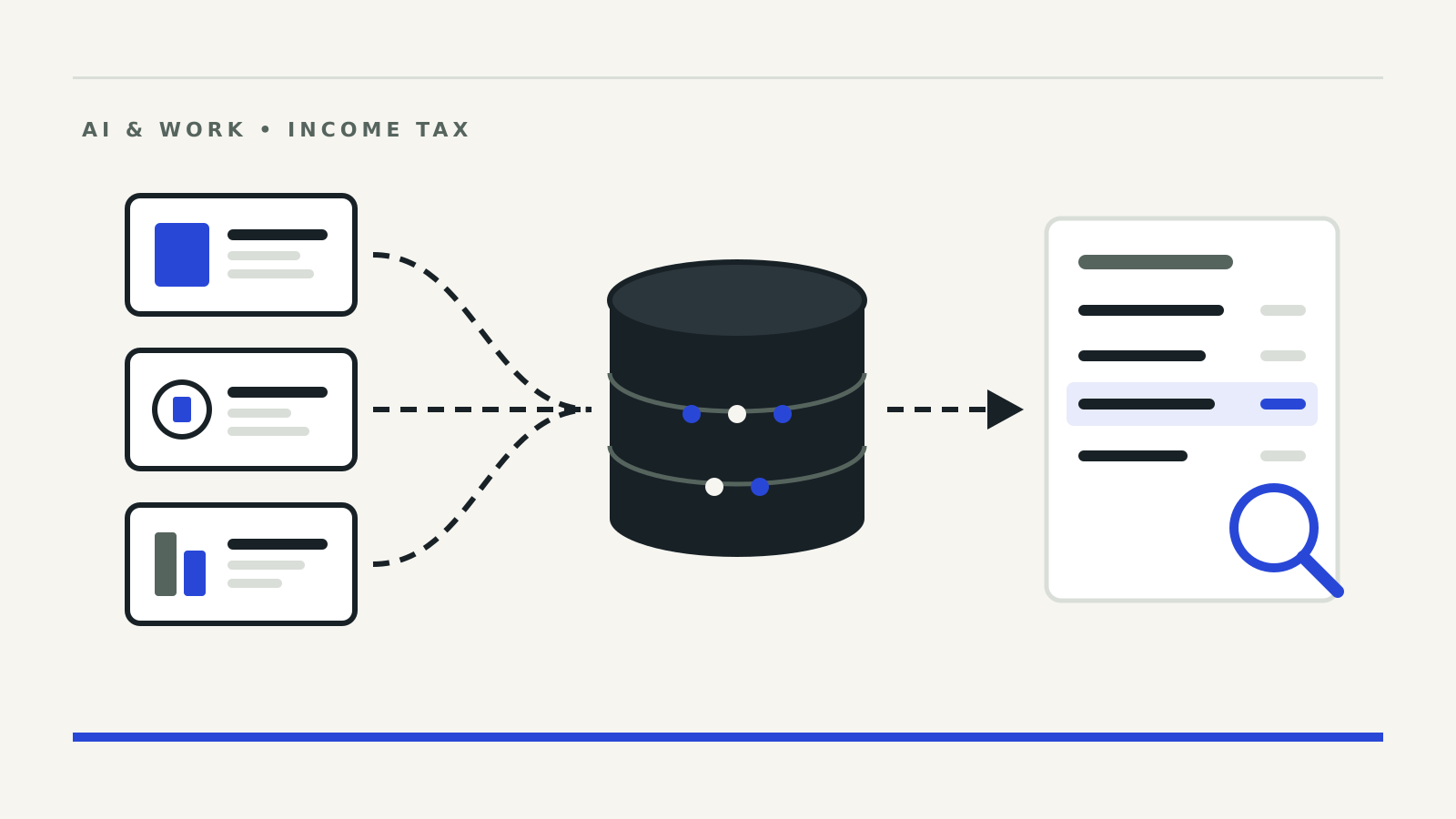
SCORES covers grievances connected with the securities market against listed companies, SEBI-registered intermediaries and market infrastructure institutions. SEBI describes it as a facilitative platform: the complaint goes to the entity that must respond, while the portal records the action and the review stages.
The official SCORES FAQ says the portal does not accept anonymous, vague or unsupported complaints. It also excludes bank deposits, insurance, pension matters, complaints against unlisted or delisted companies, private contractual disputes, cases already before a court, and matters that belong to another regulator. Tips about manipulation or insider trading go to SEBI’s Market Intelligence portal instead of SCORES.
Start with the company or intermediary
Before opening SCORES, write to the broker, mutual fund, listed company, depository participant or other regulated entity involved. State the transaction or account reference, what went wrong, what resolution you want and when you first raised the issue. Save the acknowledgement, ticket number, emails, statements and screenshots.
This step matters because SCORES is designed to escalate a grievance that the entity has not resolved. A clear timeline also makes it easier for the entity, the designated body and SEBI to understand what has already happened.
If the problem concerns a payment to a securities intermediary, check the recipient before paying. Journalist Today’s guide to SEBI’s valid UPI handles explains the regulator’s verification system. The separate guide to SEBI’s finfluencer rules helps distinguish regulated advice from general education.
Register on the portal
Use the SCORES website and select Sign in/Sign up. The FAQ lists name, address, email, PAN and mobile number as required KYC information. Registration can fetch details from a KYC Registration Agency after PAN, date-of-birth and OTP checks, or the investor can fill the registration form and verify email and mobile details.
Some PAN-exempt investors may use a PAN Exempted KYC Registration Number. Non-resident Indians and Overseas Citizens of India can register through the same two routes; the FAQ says an Indian mobile number is not mandatory when they use the form, although email verification remains required.
After signing in, choose Lodge a complaint, identify the entity and select the category and sub-category. SCORES allows up to five sub-categories against the same entity. Attach documents that show the transaction and the earlier redress request. The current FAQ accepts common formats including JPG, JPEG and PDF, with up to ten files and a combined limit of 20 MB.
The one-year filing window
SEBI says a complaint should normally be lodged within one year from the date the cause of action arose. That date may be later than the original transaction. For example, if a company had a deadline to pay a dividend and missed it, the cause of action begins when that payment deadline passes.
A complaint filed after the one-year window may be rejected. Do not wait for repeated informal promises if the issue remains unresolved; preserve the correspondence and file while the record is still clear.
What happens after submission
SCORES automatically forwards the complaint to the entity and the relevant designated body. The entity must resolve it and upload an Action Taken Report, or ATR, within 21 calendar days. The report appears in the investor dashboard, and the portal sends notifications when an entity, designated body or SEBI requests clarification or submits an update.
If the investor is not satisfied, a first review can be requested within 15 calendar days of the ATR. The designated body then handles the review and, where required, works with the entity on a revised response. The FAQ gives the designated body ten calendar days for its ATR.
A second review can be requested within 15 calendar days after the first-review response. SEBI then takes up the matter with the designated body or entity. Missed response deadlines are escalated automatically rather than requiring the investor to file the same complaint again.
Track the complaint and respond promptly
Open the Investor Dashboard to see the status and full action history under the complaint registration number. If the portal asks for clarification, answer through the complaint record and keep a copy of what you submitted. Automatic reminders go to entities and designated bodies before their deadlines.
A complaint can close when the investor accepts the response or does not seek review within the 15-day window. It can also close after SEBI’s second review or when the investor moves the dispute to the online dispute resolution mechanism.
SCORES is not a court
SCORES helps obtain and review a response, but it does not adjudicate every dispute. If the investor remains dissatisfied after disposal, the FAQ points to the securities-market Online Dispute Resolution mechanism, consumer courts or other civil remedies, depending on the issue.
Use the correct channel from the start. A securities grievance belongs on SCORES; a bank-deposit complaint belongs with the RBI system; market-intelligence information belongs on SEBI’s separate portal. That distinction prevents a valid complaint from being delayed in the wrong queue.
Sources: SEBI SCORES FAQ; SEBI Investor guide to SCORES; SEBI grievance redressal overview.