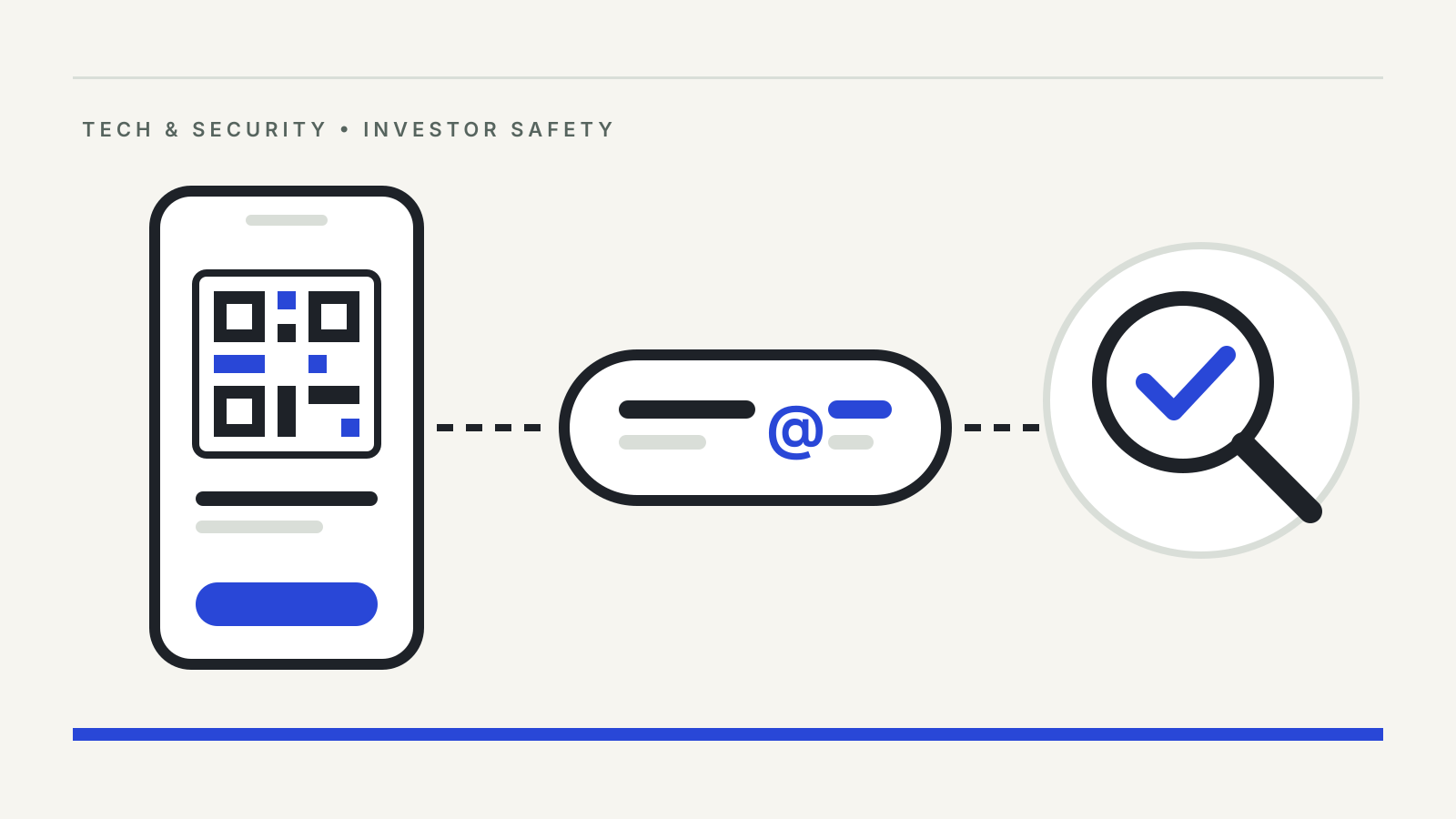
A SEBI valid UPI handle is the quickest way to tell whether a payment request really comes from a registered broker, mutual fund or adviser. SEBI made these IDs, which end in “@valid” plus the bank’s name, available for investor payments from 1 October 2025, and every SEBI-registered intermediary that collects money from investors must offer one. A payment ID without it does not prove fraud, but it is a reason to stop and check.
The system comes from SEBI’s circular of 11 June 2025, Adoption of Standardised, Validated and Exclusive UPI IDs for Payment Collection by SEBI Registered Intermediaries from Investors. Its aim, in SEBI’s words, is to “assure investors that their payments are being made to the verified and registered market intermediaries.”
What an @valid UPI ID looks like
The circular gives every validated ID two parts.
- A username with a category suffix. The intermediary picks a readable name and adds an abbreviation for its type, such as abc.brk for a stockbroker or xyz.mf for a mutual fund. Usernames can only be generated through SEBI’s own utility.
- An exclusive handle. After the “@” comes “valid” joined to the bank’s name, for example @validhdfc. NPCI allocates these handles only to banks on SEBI’s list of self-certified syndicate banks.
The suffixes listed in Annexure B of the circular are:
| Intermediary | Suffix |
|---|---|
| Stockbroker | brk |
| Depository participant | dp |
| Mutual fund | mf |
| Portfolio manager | pms |
| Investment adviser | ia |
| Research analyst | ra |
| Banker to an issue | bti |
| REIT, SM REIT, InvIT | reit, sreit, invit |
So a payment to a broker should go to an ID shaped like name.brk@valid…. A request to pay your “broker” at an ordinary personal UPI ID, or at an ID whose suffix does not match the firm’s business, is a warning sign.
For payments through an @valid handle, the circular says a “thumbs-up inside a green triangle” icon will be available. SEBI’s stated intent is that the icon reassures investors and that its absence “would caution investors of the risk that they are making payments to unauthorised entities.”
How to use SEBI Check
SEBI Check is the verification tool that sits alongside the handles. SEBI’s 2025-26 annual report says it helps investors “independently verify and confirm” a regulated entity’s payment details before paying.
On SEBI’s UPI ID verification page, you type the UPI ID and a captcha. A match shows the verified ID, the name, the legal account holder and the SEBI registration number. If there is no match, the page says the ID “did not match any verified records”. SEBI also offers QR code verification, and the circular says the tool can confirm an intermediary’s bank account number and IFSC, which matters if you pay by NEFT, RTGS or IMPS instead.
A quick routine before any payment to a market intermediary:
- Get the UPI ID or QR code from the firm’s own app, website or contract note, not from a WhatsApp or Telegram message.
- Check that the ID has the @valid handle and the right suffix.
- Run it through SEBI Check and compare the registration number with the firm you meant to pay.
- Look for the green-triangle icon in your UPI app before you enter your PIN.
What the rule does and does not require
Using the @valid route is optional for investors. Offering it is mandatory for intermediaries, who were told to get the new IDs and stop using their old UPI IDs within 180 days of the circular. Existing mutual fund SIPs were allowed to keep their old payment mode to avoid disruption, but new SIPs and renewals must use the new IDs.
The handles are only for collecting investor money. The circular says @valid IDs are reserved for SEBI-registered intermediaries under merchant category code 6211 and may not be used for anything else. You can still pay by NEFT, RTGS, IMPS or cheque; the rule changes how UPI payments to intermediaries are identified, not which payment methods are allowed.
UPI caps for capital market payments are higher than for everyday transfers. The current limits by category are in our UPI limits tracker.
Calls and messages about SEBI Check
Fraudsters often borrow the name of whatever a regulator is promoting, so check who is calling. SEBI’s annual report says a pilot AI-enabled calling campaign about SEBI Check and validated UPI handles used only the SEBI-authorised number 1600-313-384, in eight languages. A call from any other number claiming to be SEBI deserves suspicion. Our guides to SEBI’s official WhatsApp channel and to verifying a SEBI letter or notice cover other official channels.
If the check fails or you have already paid
If SEBI Check finds no match, do not pay. Contact the firm through details from its registration record, not the message that asked for money.
If you have already sent money to an unverified ID after being promised trading profits or “guaranteed” tips, treat it as fraud. Report it to your bank at once and call 1930 or file at cybercrime.gov.in, as set out in our cyber fraud complaint guide.
This article explains a payment safeguard. It is not investment advice.