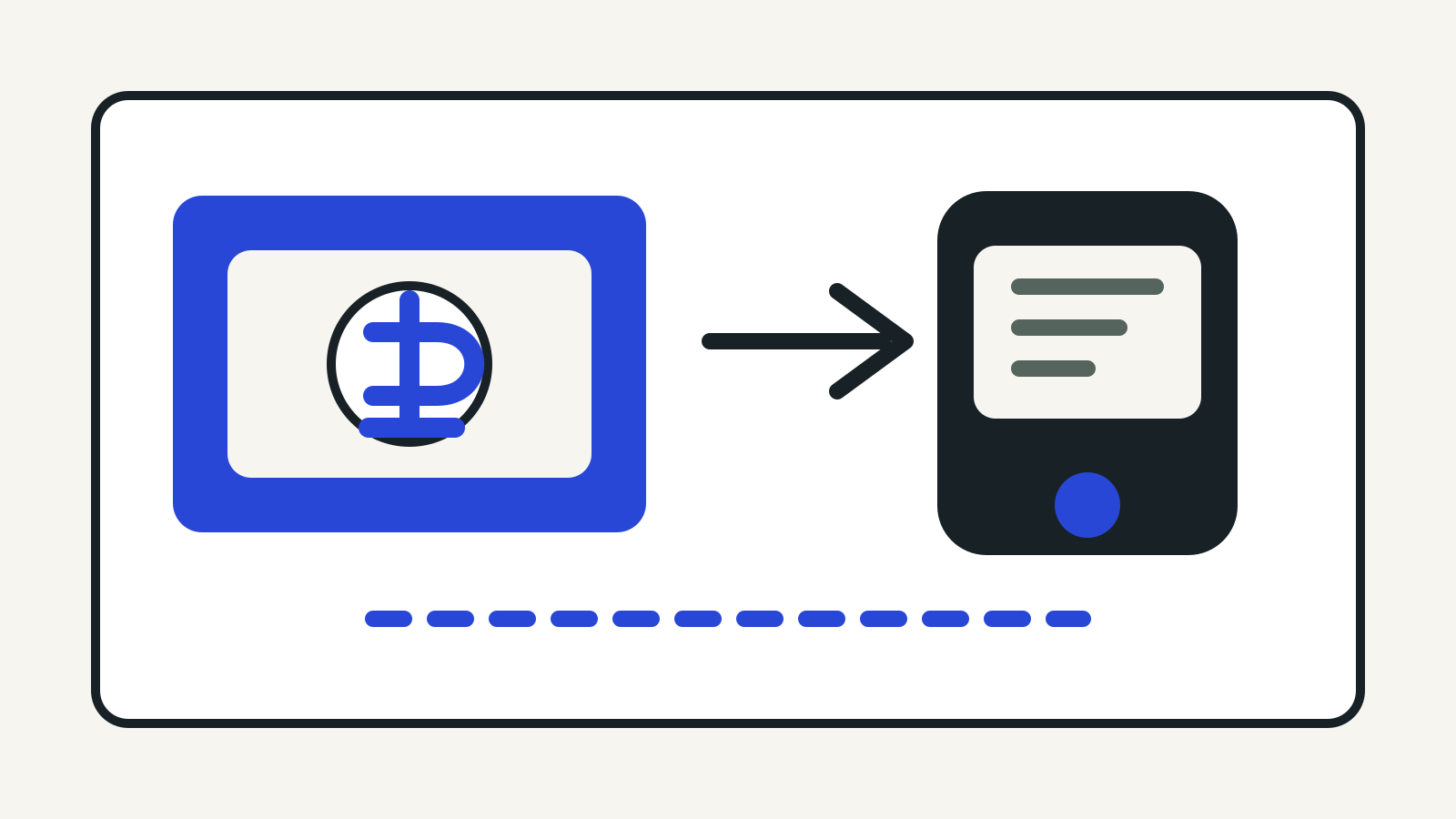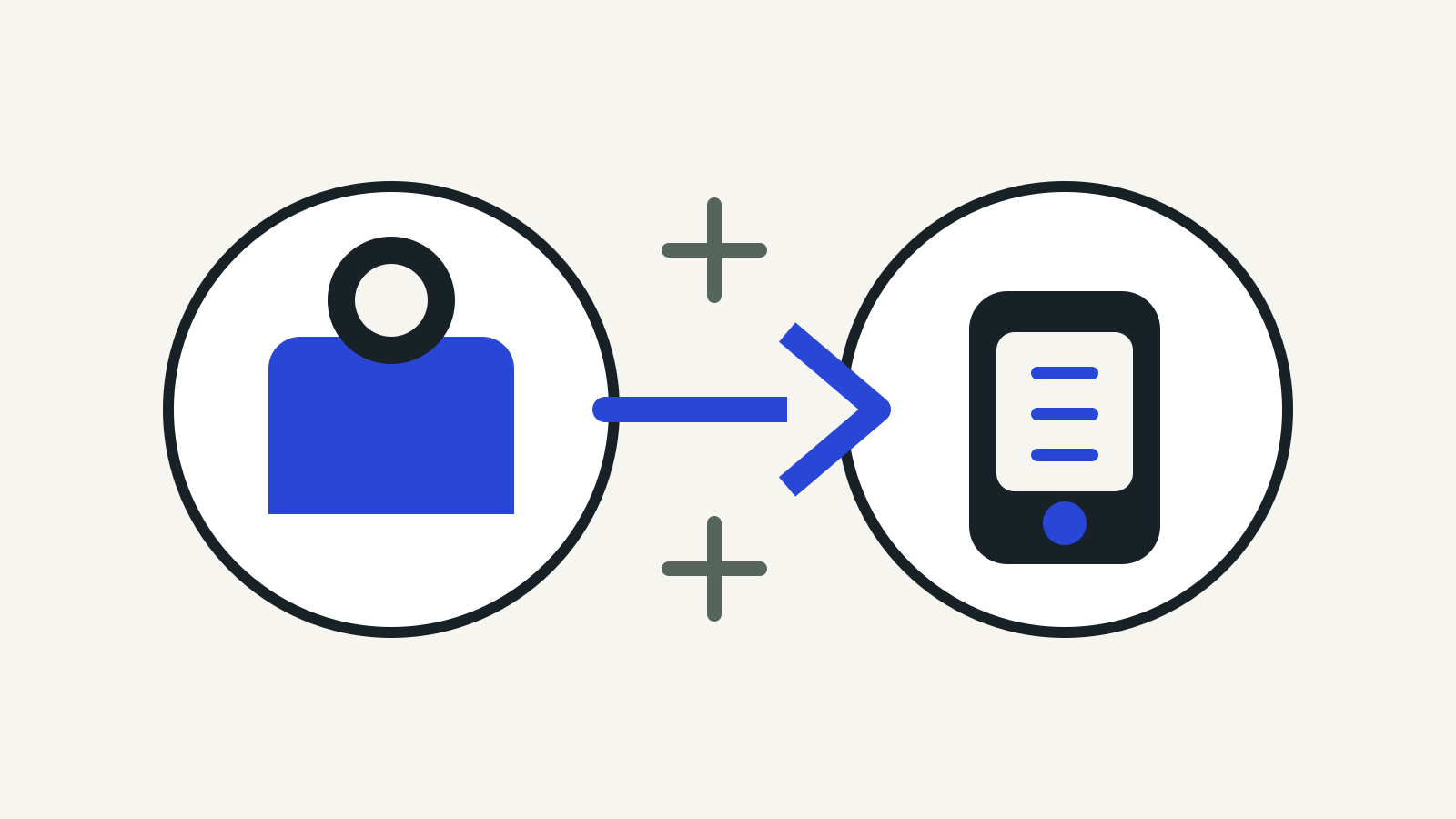
UPI for minors does not always require opening a separate bank account for the child. UPI Circle can let a parent or guardian delegate payment access from the adult’s UPI-linked account to a trusted secondary user. The adult remains the primary user, sets the scope, sees the transactions and can revoke access.
That does not mean every minor can sign up immediately. The bank, UPI app, identity checks and age rules still matter. NPCI describes minors as an intended use case, but the exact onboarding journey is controlled by participating providers.
What UPI Circle changes
Ordinary UPI is built around a person paying from a bank account linked to their UPI profile. UPI Circle adds two roles:
- The primary user owns the linked bank account and grants authority.
- The secondary user makes or initiates payments under that authority. NPCI says the secondary user may have no bank account linked to UPI.
For a family, this can mean a parent funds everyday spending while a child uses a separate phone and app journey. The money still comes from the parent’s selected account. It is delegation, not a transfer of account ownership.
NPCI’s consolidated UPI circular says the feature is intended for trusted users including minors and spouses. It also requires the primary user to retain visibility and control.
Full delegation and partial delegation
UPI Circle has two distinct modes.
Full delegation allows the secondary user to initiate and complete eligible payments within a limit set by the primary user. The adult does not approve every purchase. This is closer to a supervised spending allowance.
Partial delegation lets the secondary user prepare a payment request, but the primary user must authorise that specific transaction. This is more suitable when the adult wants to review the merchant and amount each time.
A parent deciding between the two should start with the spending pattern, not the feature name. Partial delegation creates more interruptions but gives transaction-by-transaction control. Full delegation is easier for repeated school, travel or food expenses, but the monthly cap should be kept low enough that a lost phone is manageable.
What are the limits?
The primary user sets a limit within what the participating app permits. NPCI’s BHIM announcement for full delegation says the primary user can set a monthly spending limit up to ₹15,000 and a validity period from one month to five years. It also says the secondary user can make payments without a bank-linked UPI ID or bank account after accepting the delegation and completing the required onboarding.
Those are product maximums, not a recommendation. A family can choose a smaller amount and shorter validity. The first few weeks are a good time to see whether the categories and limit fit the child’s actual routine.
Do not confuse human delegation with NPCI’s newer UPI Circle support for connected devices and software. The product page lists separate per-device and monthly limits for that IoT pilot. A smart device is not a minor’s profile.
How setup works
The precise labels differ by app, but the official BHIM flow illustrates the pattern:
- The primary user opens the UPI Circle section and invites the secondary user.
- The parent enters the contact, UPI ID or QR details requested by the app.
- For full delegation, the parent chooses a monthly limit and validity period.
- The app may ask for the relationship and identity information for the secondary user.
- The parent selects the source bank account and confirms with the UPI PIN.
- The secondary user accepts the invitation on their device.
- The delegation becomes usable after the provider’s checks or cooling period.
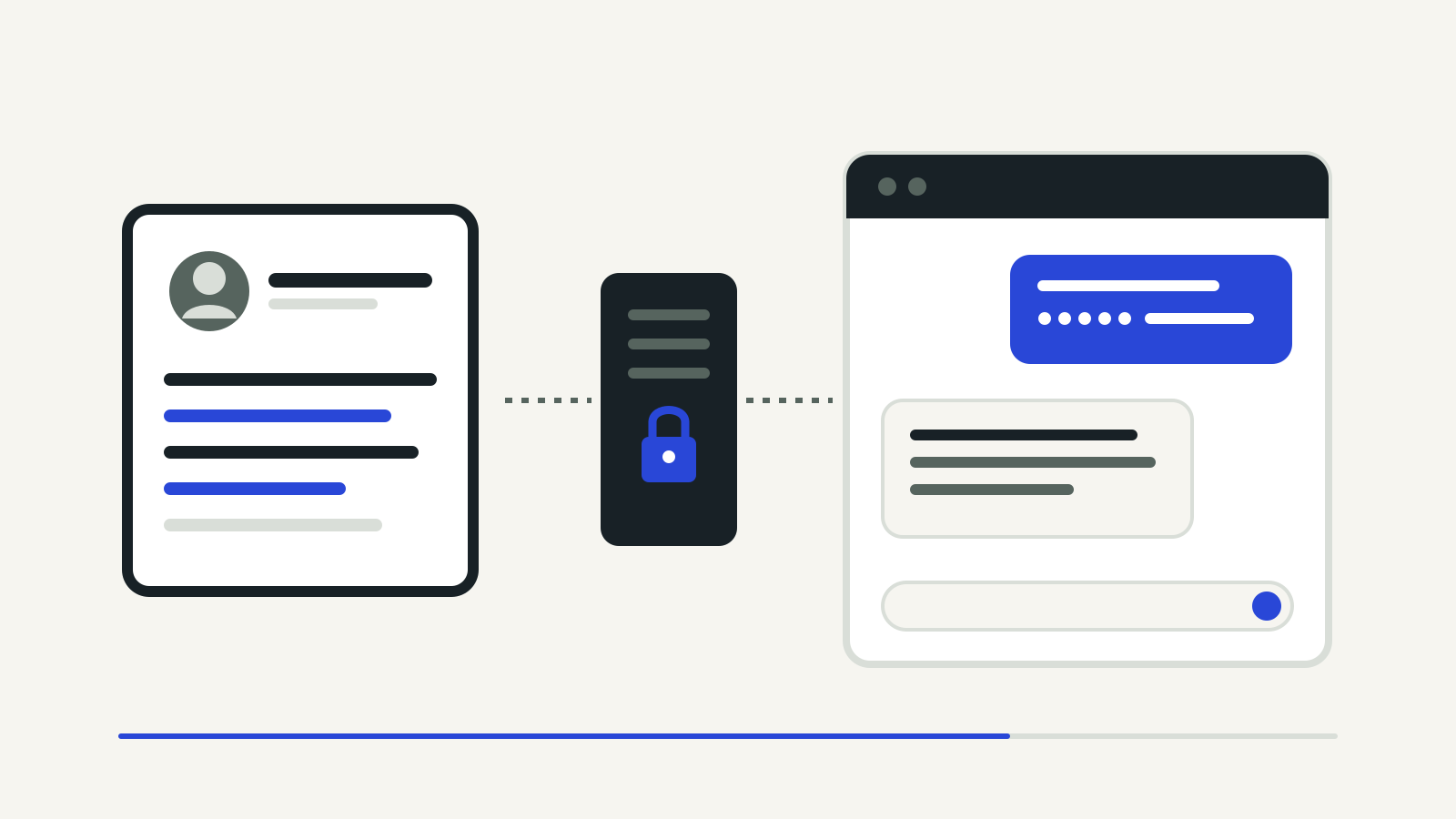
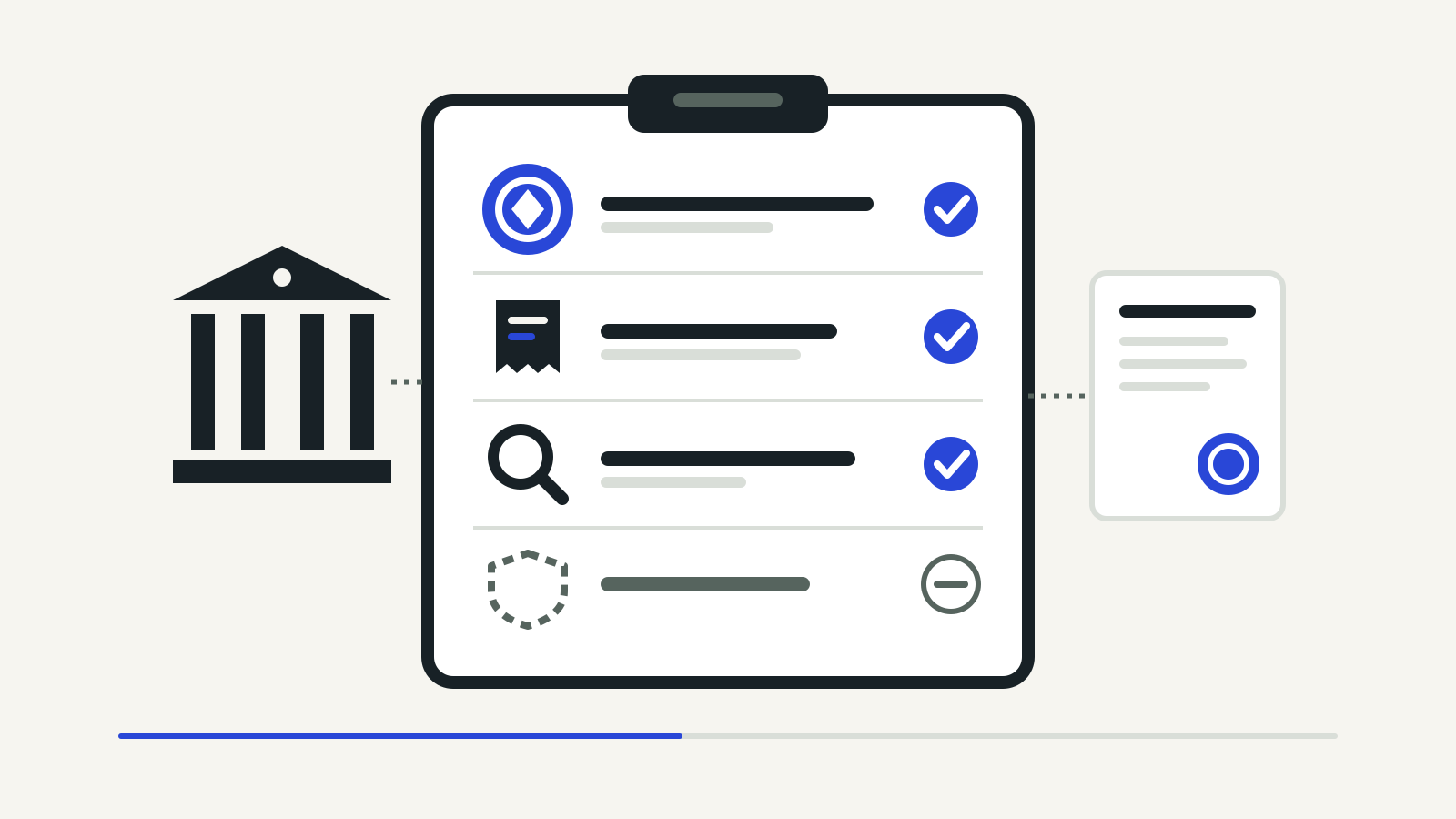
NPCI’s current consolidated circular requires additional identity details for full delegation and says the secondary user’s app must obtain consent to the sharing of those details. The bank must validate the user and device identifiers before debiting the primary account.
A parent should read the exact consent screen rather than assuming that a phone number alone completes the setup.
Does the child need a bank account?
NPCI says a secondary user can be someone with or without a bank account linked to UPI. That is the point of delegation: the secondary user is spending under the primary user’s authority, not operating a separate account.
But a provider may still require a compatible UPI app, a mobile number, identity information and a supported device. Full-delegation requirements were tightened to include document details and explicit consent. If a child is below the age supported by the app’s terms, the feature may not be available even though NPCI lists minors as a use case.
Check the bank and app’s current eligibility page before starting. Do not enter an incorrect birth date or use an adult’s identity on the secondary profile.
Safety checks for parents
Treat UPI Circle as controlled access to real money. Before enabling it:
- Choose partial delegation if you want to approve every payment.
- For full delegation, begin with a low monthly limit and a short validity period.
- Protect both phones with a screen lock and app-level biometrics.
- Make sure notifications reach the primary user’s phone.
- Review the transaction list together, especially during the first month.
- Revoke the delegation if the secondary phone is lost, replaced or shared.
- Explain that a UPI PIN must never be disclosed to a caller, merchant or “support” agent.
The secondary user should also know how to check the payee name before confirming a QR payment. A convincing QR code can still point to the wrong person.
If an unauthorised debit appears, report it quickly through the app and bank. RBI’s customer-liability rules depend in part on why the transaction happened and how soon it was reported; our guide to unauthorised electronic banking transactions explains the timelines.
UPI Circle is not a children’s savings account
Delegated payments solve a narrow problem: how a trusted person can pay from the primary user’s account with defined controls. They do not create a deposit account in the child’s name, pay interest or replace a junior banking product.
A separate minor account may be better when the goal is to receive money, build a personal account history or keep the child’s funds distinct. UPI Circle is better suited to controlled household spending.