A crypto scam in India rarely starts with crypto. It starts with a message on WhatsApp or Telegram: a part-time job offer, a small commission for liking videos, then a request to invest. Crypto often sits behind the scenes, as one of the routes by which the money leaves the country. Government releases from 2023 to 2026 describe the same pattern, and the reporting route is the same as for any other financial cyber fraud.
This explainer covers how these schemes work, what the Home Ministry, the Finance Ministry and the RBI have said, and what to do if you have already paid.
How the task-to-investment scam works
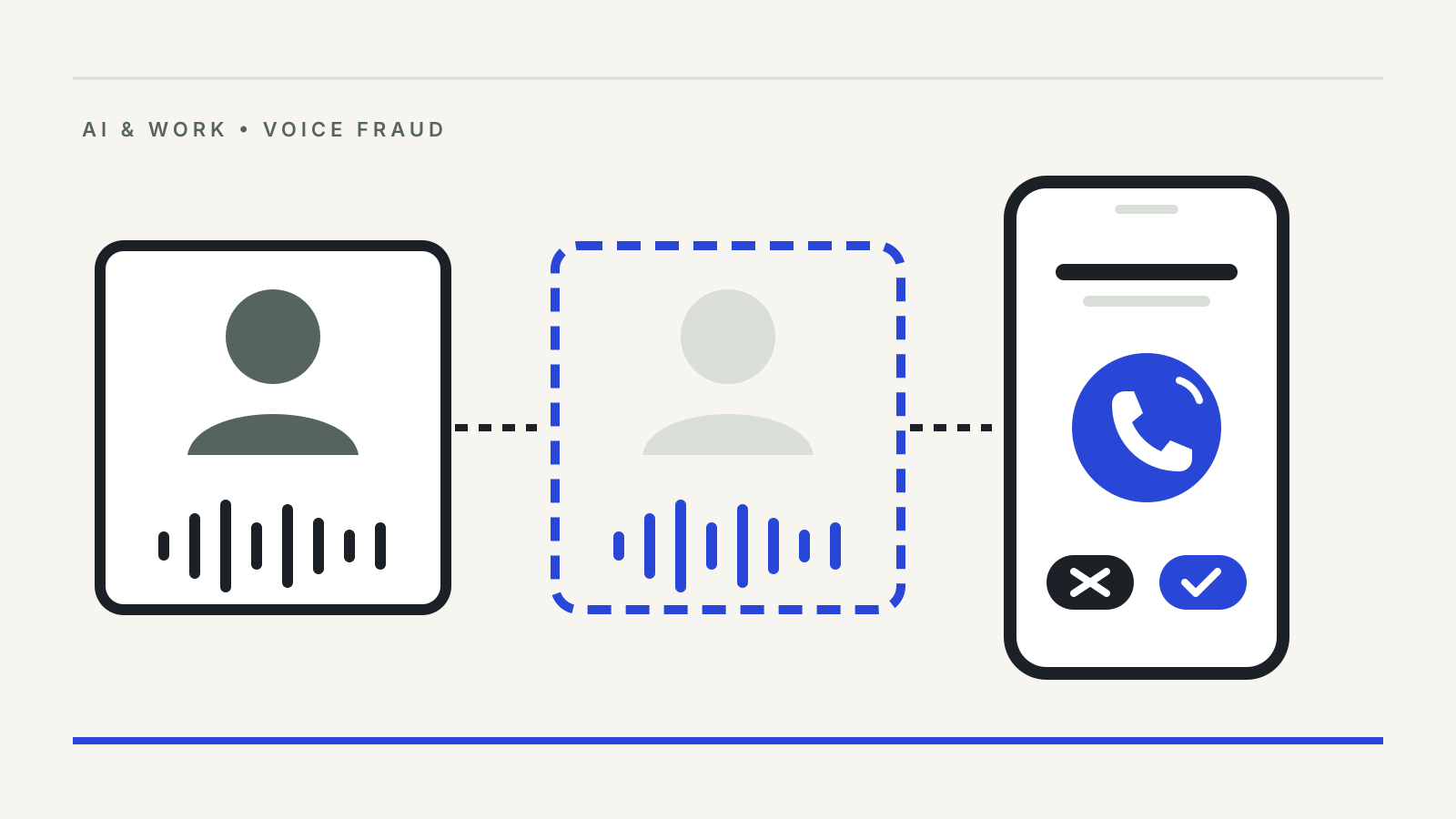
The Ministry of Home Affairs set out the pattern in a release of 6 December 2023, after the Indian Cybercrime Coordination Centre (I4C) identified over 100 websites involved in “organized investment / task based - part time job frauds” and the Ministry of Electronics and Information Technology blocked them under the IT Act. It listed four steps:
- Targeted online advertisements, in several languages, offer work from home. The Ministry says the targets are mostly retired employees, women and unemployed young people.
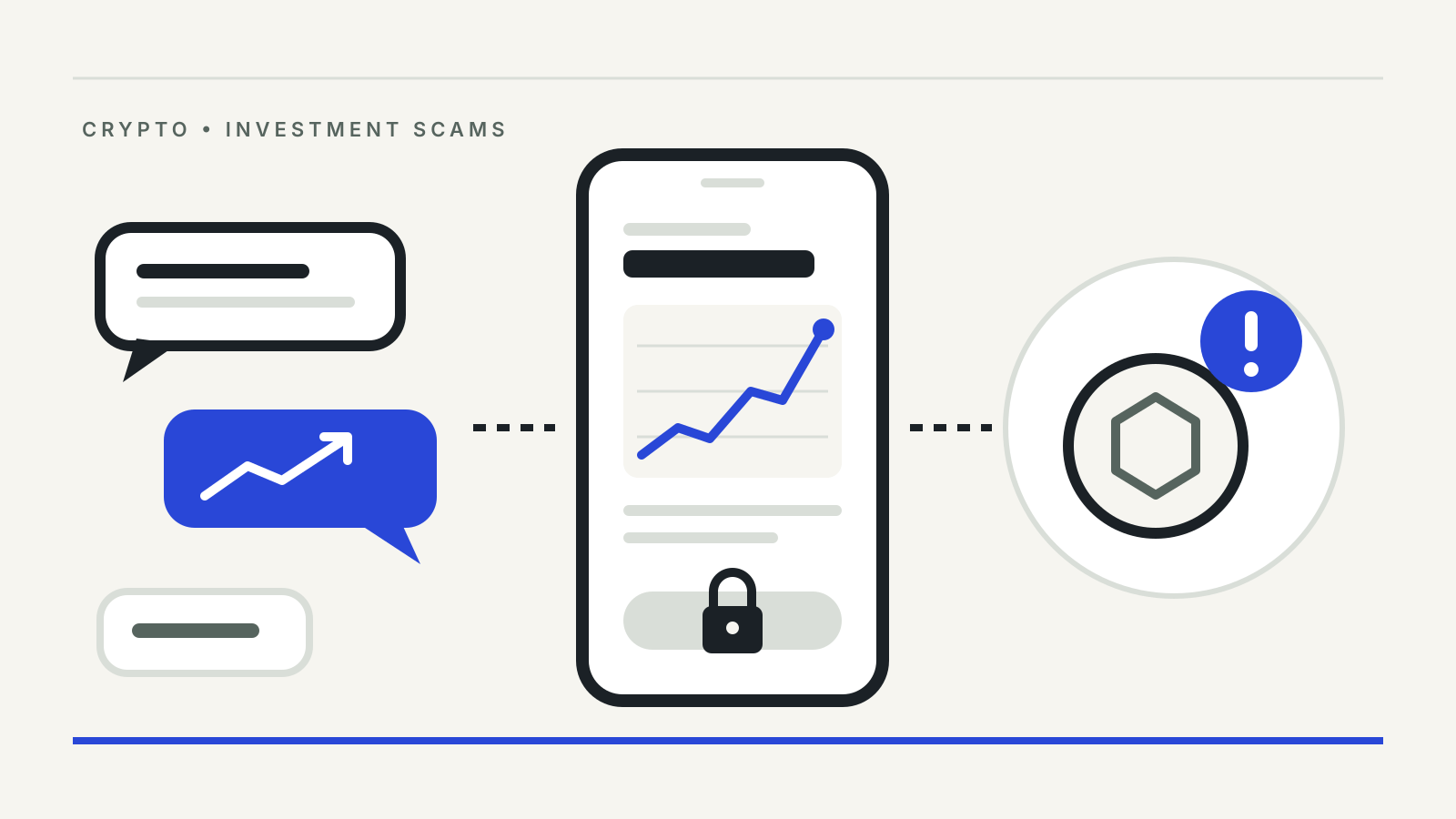
- An agent on WhatsApp or Telegram asks the person to do simple tasks, such as liking videos or rating places on a map.
- A small commission is paid at first. The person is then asked to invest more to earn more.
- Once a larger sum is deposited, the deposit is frozen.
The same release says the websites were run by overseas actors using digital advertisements, chat messengers and “mule / rented accounts”, and that the proceeds were laundered out of India “using card network, crypto currency, overseas ATM withdrawals and international Fintech companies”.
That is where crypto fits: not as the bait but as the exit. Whatever the scheme calls its product, the profits it shows exist only on its own screen, and the deposits that matter are the ones the Ministry says get frozen.
What the government has said about crypto risk
It is unregulated. In a written Lok Sabha answer on 8 December 2025 (Unstarred Question No. 1366, answer text), the Minister of State for Finance said crypto-assets and virtual digital assets “are unregulated in India, and the government does not collect data on them”. FIU-IND’s release of 9 September 2026 repeats the warning that crypto products and NFTs “are unregulated and can be highly risky. There may be no regulatory recourse for any loss from such transactions.”
The RBI licenses no one to deal in it. In its press release “RBI cautions users of Virtual Currencies” of 1 February 2017, the Reserve Bank said it had not given any licence or authorisation to any entity to operate such schemes or deal with Bitcoin or any virtual currency, and that anyone dealing in them does so at their own risk. Its earlier caution of 24 December 2013 noted that there is no established framework for recourse on customer problems, disputes or chargebacks. An app that claims “RBI approval” for crypto trading is therefore making a claim the RBI itself has ruled out.
Enforcement is real but slow. The same Lok Sabha answer says the Enforcement Directorate has attached, seized or frozen proceeds of crime worth ₹4,189.89 crore in crypto-related cases under the Prevention of Money Laundering Act, arrested 29 people, filed 22 prosecution complaints and had one accused declared a fugitive economic offender. Those are amounts held by investigators, not money returned to victims.
Whether crypto itself is legal is a separate question, answered in Is crypto legal in India?
Warning signs drawn from the official advice
The Home Ministry’s 2023 release gave four precautions. Read together with the crypto warnings above, they make a short checklist:
- High commissions for trivial tasks. The Ministry advises due diligence before investing in “very high commission paying online schemes”.
- A stranger on WhatsApp or Telegram. It advises against any financial transaction with an unknown contact without verification.
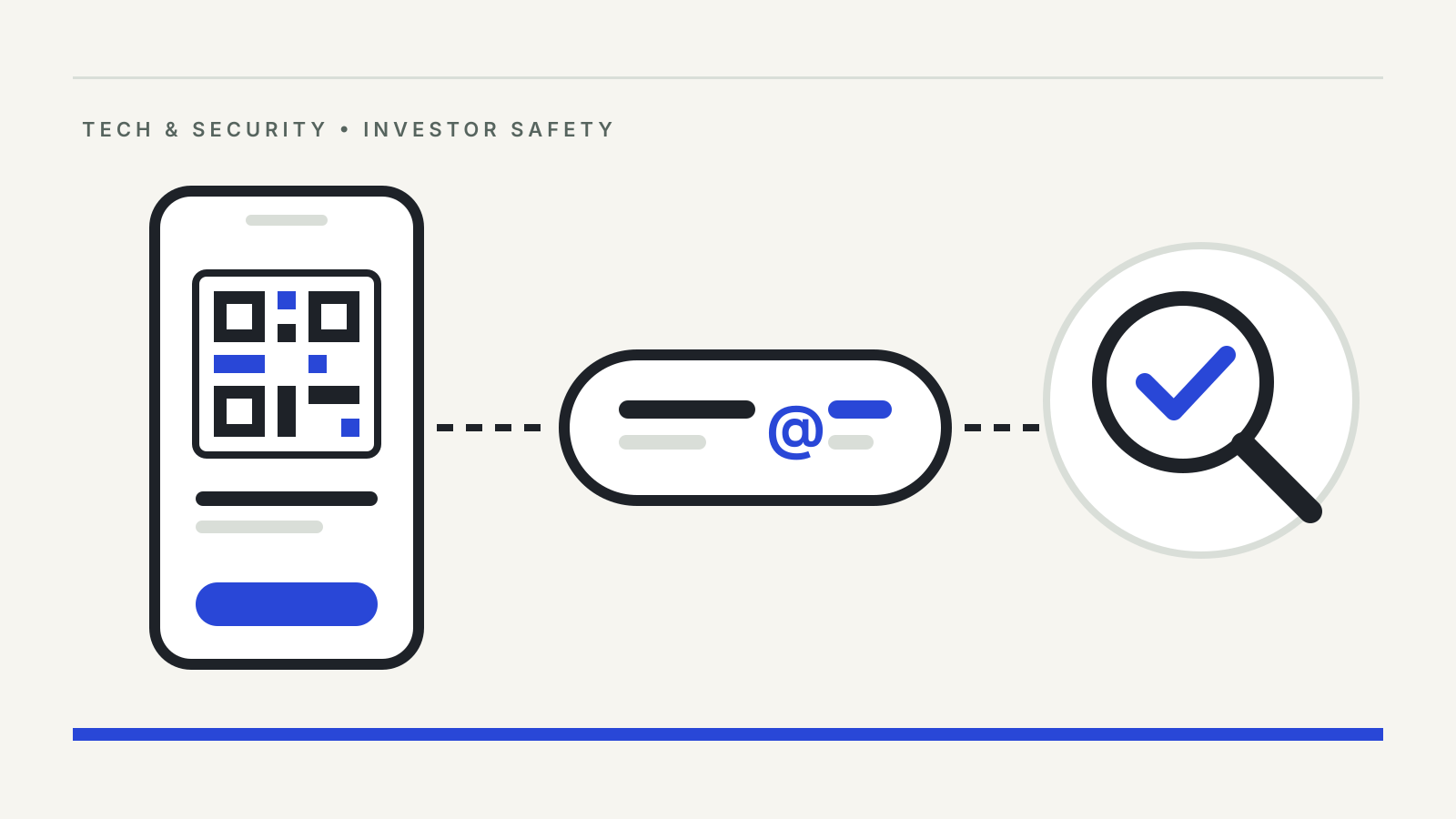
- A random name on the UPI screen. Check the receiver’s name in your UPI app. If it is an unrelated individual, the Ministry says it may be a mule account and the scheme may be fraudulent. Check where your first “commission” came from, too.
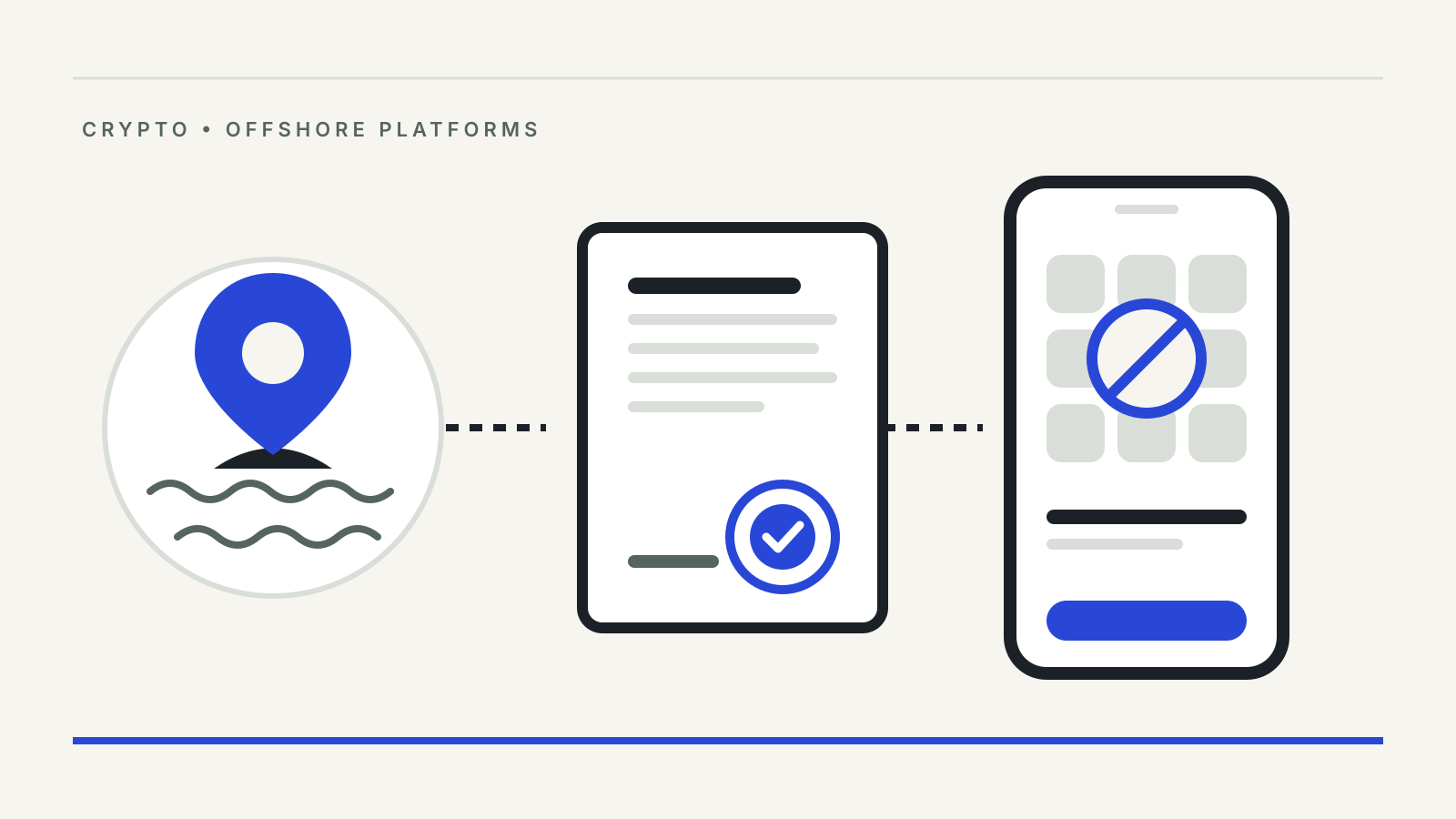
- A platform you cannot trace. An exchange serving Indian users must register with FIU-IND. Our guide to FIU-registered crypto exchanges shows how to check a claim, and offshore crypto exchanges in India lists the platforms FIU-IND has acted against.
Never lend your own bank account or UPI ID to anyone. The Ministry warns that transactions with unknown accounts can be linked to money laundering and can lead to accounts being blocked by the police and to other legal action.
If you have already paid
Speed matters because the money moves fast. The route is the national one for all financial cyber fraud:
- Call 1930 or report at cybercrime.gov.in at once. The Home Ministry’s Lok Sabha answer of 21 July 2026 says the Citizen Financial Cyber Fraud Reporting and Management System has saved more than ₹11,158 crore across more than 32.80 lakh complaints up to 30 June 2026. Our step-by-step 1930 complaint guide explains what to keep ready.
- Tell your bank about the debit, and note the time and reference.
- Keep everything: chat screenshots, the app or website address, wallet addresses, UPI reference numbers and the names shown on each payment.
- Report the number that contacted you through Chakshu on Sanchar Saathi, described in our guide to reporting fraud calls.
Do not pay any “release fee”, “tax” or “unlock charge” to withdraw a balance shown in the app. In the pattern the Ministry describes, the larger deposit is the one that gets frozen.
The figures behind the warnings
The same July 2026 answer says that from 2021 to 2025 the national cybercrime portal received more than 65.89 lakh financial fraud complaints, with more than ₹55,050 crore reported lost and more than ₹8,189 crore marked as lien. A Home Ministry release of 24 March 2026 adds that the Enforcement Directorate had taken up around 257 cybercrime cases under the PMLA by 28 February 2026, identifying proceeds of crime of ₹35,925.58 crore. These totals cover all cyber fraud, not crypto alone; no official source separates crypto investment scams in them.
Sources
Ministry of Home Affairs (PIB), release on blocking of over 100 websites involved in organised investment and task-based part-time job frauds, 6 December 2023; Ministry of Finance, Lok Sabha Unstarred Question No. 1366, “Black Money in Crypto Currency”, answered 8 December 2025; Ministry of Home Affairs (PIB), “Cybercrime proceeds linked to money laundering networks”, 24 March 2026; Ministry of Home Affairs, Lok Sabha Unstarred Question No. 251, “National Cyber Crime Data”, answered 21 July 2026; Ministry of Finance (PIB), FIU-IND notices to 15 VDA service providers, 9 September 2026; Reserve Bank of India press releases “RBI cautions users of Virtual Currencies against Risks”, 24 December 2013, and “RBI cautions users of Virtual Currencies”, 1 February 2017. Documents consulted on 20 October 2026.